
Families place enormous trust in nursing homes and long-term care facilities. When a parent, spouse, or other loved one can no longer live safely without assistance, families expect the facility to provide appropriate medical care, supervision, nutrition, hygiene, medication management, and a safe living environment. When those basic responsibilities are not met, a vulnerable resident can suffer serious and sometimes preventable harm.
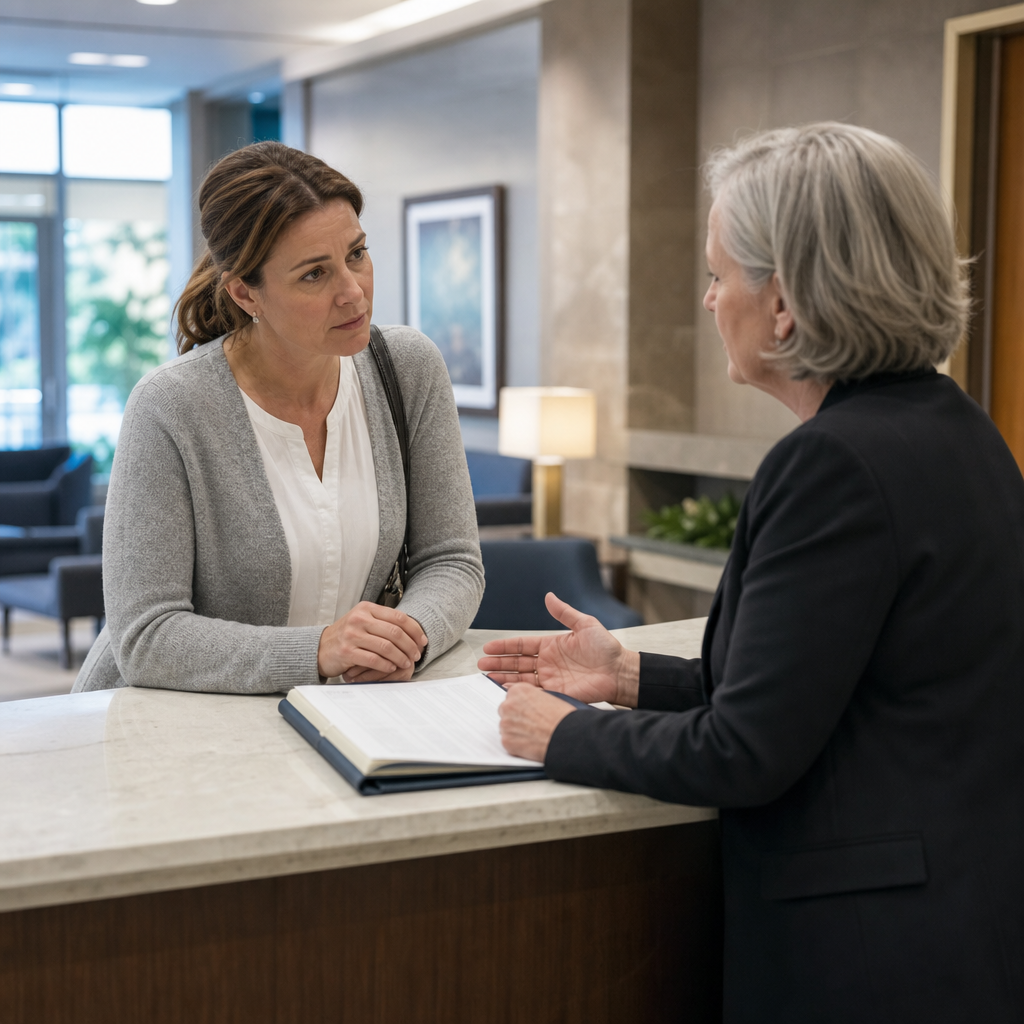
Slagle & Kotnik represents individuals and families in Massillon, Canton, Stark County, and throughout Ohio when nursing home neglect or inadequate care may have caused serious injury or death.
Nursing home cases can be difficult because residents often have existing medical conditions and may depend heavily on facility staff for everyday needs. A fall, infection, wound, medication problem, or decline in health does not automatically mean that neglect occurred.
However, repeated injuries, unexplained changes, missed care, poor hygiene, inadequate supervision, or inconsistent explanations can raise important questions about whether a resident received the care that should have been provided.
Families do not need to determine the legal cause of an injury on their own before asking for help. The first step is usually to understand what happened, obtain the available records, and identify whether the resident’s condition may be connected to a failure in care.
Ohio Nursing Home Neglect Attorneys Serving Massillon, Canton and Stark County
Nursing home neglect cases can involve medical decisions, staffing, supervision, facility policies, care planning, documentation, and the day-to-day attention provided to a resident.
Depending on the circumstances, a claim may require review of medical records, nursing notes, care plans, medication records, incident reports, wound-care documentation, staffing information, hospital records, photographs, witness accounts, and other evidence.
The purpose of reviewing those records is not simply to identify a bad outcome. It is to determine whether the care provided was appropriate under the circumstances and whether a failure in care caused or contributed to an injury.
Possible Signs of Neglect
- Unexplained falls or repeated injuries
- Pressure sores or worsening wounds
- Dehydration or unexplained weight loss
- Poor hygiene or soiled clothing and bedding
- Missed medications or treatments
- Frequent infections
- Unexplained bruising
- Unsafe living conditions
- Sudden fearfulness or withdrawal
- Long delays in responding to calls for assistance
Evidence That May Be Important
- Medical and nursing records
- Resident care plans
- Medication administration records
- Incident and fall reports
- Photographs of injuries or conditions
- Hospital and emergency-room records
- Witness information
- Facility communications
- Wound-care records
- Staffing and supervision information
What Is Nursing Home Neglect?
Nursing home neglect generally involves a failure to provide necessary care, treatment, supervision, goods, or services needed to protect a resident’s health and safety.
Neglect is different from abuse. Abuse may involve intentional physical, verbal, emotional, sexual, or financial mistreatment. Neglect can occur when necessary care is not provided, even when no one intended to cause harm.
Ohio law provides important rights to residents of nursing homes and other covered residential facilities.
Under Ohio Revised Code Section 3721.13, residents have rights that include a safe and clean living environment, freedom from physical, verbal, mental, and emotional abuse, and appropriate medical treatment and nursing care.
The statute also addresses resident privacy, participation in care decisions, communication, grievances, restraints, transfers, and other protections.
Common Types of Nursing Home Neglect
Falls and Inadequate Supervision
Falls are a serious concern for many nursing home residents because age, medications, weakness, balance problems, cognitive impairment, and other medical conditions can increase fall risk.
A fall does not automatically establish negligence. However, questions may arise when a resident has known fall risks and reasonable precautions are not followed.
Important evidence may include fall-risk assessments, care plans, alarms, staff notes, prior falls, mobility-assistance requirements, physician orders, and incident reports.
Pressure Injuries and Bedsores
Residents with limited mobility may be at increased risk for pressure injuries. Prevention and treatment can involve repositioning, skin inspection, nutrition, moisture management, support surfaces, wound care, and medical monitoring.
A pressure injury may require careful review of the resident’s health, risk factors, care plan, wound assessments, treatment orders, photographs, and documentation of the care actually provided.
A worsening wound can become particularly serious if it develops infection or other complications.
Dehydration and Malnutrition
Some nursing home residents need assistance eating, drinking, or maintaining adequate nutrition.
Problems may arise when a resident cannot feed themselves, has difficulty swallowing, requires a special diet, loses significant weight, or repeatedly refuses food or fluids without appropriate assessment and follow-up.
Unexpected weight loss, dehydration, weakness, changes in laboratory results, or repeated hospital visits may justify a closer look at the resident’s nutritional and hydration care.
Medication Errors
Nursing home residents may take multiple prescription medications. Errors involving the wrong drug, wrong dose, missed doses, delayed medication, drug interactions, or failure to follow physician orders can create serious health risks.
Medication administration records, physician orders, pharmacy records, nursing notes, and hospital records may help show whether medication was provided as ordered.
Infections and Delayed Medical Attention
Older adults and medically fragile residents can be especially vulnerable to infections.
A legal review may examine whether staff recognized changes in condition, notified appropriate medical providers, followed treatment orders, monitored the resident, and responded when the resident’s condition worsened.
The issue is not simply whether an infection occurred. The important question is whether the resident received appropriate care and whether delays or failures contributed to additional harm.
Warning Signs Families Should Take Seriously
Families often know a resident’s normal appearance, behavior, and abilities better than anyone else. Changes may become noticeable during visits, phone calls, or conversations with staff.
Possible warning signs can include:
- Repeated falls without a clear explanation
- New bruises, cuts, fractures, or other injuries
- Sudden weight loss or signs of dehydration
- Bedsores or wounds that continue to worsen
- Strong odors, dirty clothing, or poor personal hygiene
- Missed medical appointments or treatments
- Changes in alertness, mood, or behavior
- Frequent trips to the hospital
- Unanswered call lights or long waits for assistance
- Staff members giving different explanations for the same incident
- A resident becoming frightened or unusually quiet around particular staff members
One warning sign alone does not prove neglect. Residents can experience health changes even when appropriate care is provided.
Patterns matter. Repeated unexplained problems, poor communication, missing records, or significant changes in a resident’s health deserve careful attention.
Our related article Signs of Nursing Home Neglect in Ohio: What Families Should Watch For explains these warning signs in greater detail.
What Should You Do If You Suspect Nursing Home Neglect?
If you believe a loved one may be receiving inadequate care, the immediate priority should be the resident’s health and safety.
- Address emergencies immediately. If the resident is in immediate danger or needs emergency medical care, call 911 or seek appropriate medical attention.
- Document what you observe. Write down dates, times, injuries, conditions, conversations, and the names of people involved.
- Take photographs when appropriate. Photographs may help document bruising, wounds, room conditions, bedding, or other visible concerns.
- Ask direct questions. Ask staff what happened, when it happened, who was present, what treatment was provided, and what steps are being taken to prevent another incident.
- Keep copies of communications. Save emails, text messages, care updates, bills, discharge information, and other documents.
- Request relevant records. Medical records, care plans, medication records, incident reports, and hospital records may become important.
For more information about preserving evidence, see What Evidence Helps a Personal Injury Claim in Ohio?.
Can You Report Nursing Home Concerns to the State of Ohio?
Yes. Nursing home care concerns can be reported to the Ohio Department of Health.
The Ohio Department of Health provides an online complaint process for concerns involving nursing homes and other regulated healthcare facilities.
The complaint form allows a person to provide information about the facility, the resident, the alleged problem, witnesses, and other relevant details. The state also allows a person to submit a complaint anonymously, although doing so can limit the agency’s ability to follow up with the person who submitted it.
You can access the Ohio Department of Health Complaint Form directly.
What Records Can Help Show What Happened?
Nursing home cases can involve a large amount of documentation.
Records that may become important include:
- Admission records
- Resident assessments
- Care plans
- Nursing notes
- Medication administration records
- Physician orders
- Fall-risk assessments
- Incident reports
- Wound-care records
- Nutrition and hydration records
- Hospital and emergency-room records
- Laboratory and diagnostic results
- Family communications with the facility
The existence of a document does not necessarily prove that the care described in it was provided. For that reason, attorneys may compare different records with one another, along with photographs, witness information, hospital records, and the resident’s actual condition.
How Ohio Nursing Home Resident Rights Matter
Ohio law recognizes specific rights for residents of nursing homes and other covered facilities.
Those rights include the right to a safe and clean environment, appropriate medical treatment and nursing care, freedom from abuse, respect for dignity, participation in treatment decisions, and the ability to voice grievances without retaliation.
The rights listed in Ohio Revised Code Section 3721.13 can provide important context when evaluating whether a resident received appropriate care.
However, determining whether a particular incident creates a legal claim requires more than identifying a general resident right. The facts, medical evidence, causation, applicable standard of care, and type of claim all matter.
How Long Do You Have to Bring a Nursing Home Neglect Claim in Ohio?
Nursing home cases can involve different legal theories, and the applicable filing deadline may depend on the nature of the claim.
Some nursing home cases may qualify as medical claims under Ohio law. Ohio Revised Code Section 2305.113 generally provides a one-year limitation period for medical claims, subject to important rules, exceptions, notice provisions, and a statute of repose.
Other claims may be governed by different statutes and different deadlines.
Because the classification of a nursing home claim can affect the deadline, families should not assume that every nursing home case has the same filing period.
You can review the current statute at Ohio Revised Code Section 2305.113.
What Compensation May Be Available?
The damages available in a nursing home case depend on the nature of the injury and the applicable legal claim.
Potential losses may include:
- Medical expenses caused by the injury
- Hospitalization and emergency treatment
- Rehabilitation and additional care
- Pain and physical suffering
- Loss of normal activities
- Additional care costs
- Other documented losses caused by the injury
When neglect results in death, the family may also need to determine whether a wrongful death or related estate claim should be considered.
No responsible evaluation of a nursing home claim should begin with a generic settlement calculator. The medical evidence, cause of injury, resident’s condition, available insurance, responsible parties, and applicable law all need to be considered.
How Slagle & Kotnik Can Help
Nursing home cases can require careful review because the resident may already have significant medical conditions before the incident occurs.
The legal question is often not whether the resident was elderly or medically fragile. The question is whether the care that should have been provided was actually provided and whether a failure in care caused additional injury.
Depending on the circumstances, Slagle & Kotnik may review medical records, care plans, nursing documentation, hospital records, photographs, incident reports, witness information, facility communications, and other evidence.
The firm represents injured individuals and families throughout Stark County and Ohio in serious injury and nursing home matters.
The objective is to understand what happened, identify the evidence that matters, determine what legal issues may be involved, and give the family clear information about possible next steps.
Questions We Can Help Families Address
- Was the resident receiving the care required by the care plan?
- Was the resident properly supervised?
- Were known fall risks addressed?
- Were wounds or pressure injuries properly treated?
- Were changes in condition recognized and reported?
- Were medications administered as ordered?
- Were the resident’s nutritional and hydration needs addressed?
- What records should be requested and preserved?
- Should the incident be reported to the Ohio Department of Health?
- What filing deadline may apply?
Nursing Home Neglect Representation in Massillon, Canton and Stark County
Slagle & Kotnik is located in Massillon and represents nursing home residents and families in Canton, Stark County, and communities throughout Ohio.
Families often come to us because something does not make sense. A loved one may have suffered a fall, fracture, wound, infection, hospitalization, or sudden decline, and the explanation they received does not answer their concerns.
Our approach is to look at the records, listen to the family, identify the unanswered questions, and determine whether further investigation is appropriate.
Talk With an Ohio Nursing Home Neglect Attorney
If you are concerned that a parent, spouse, or other loved one may have suffered serious injury because of nursing home neglect or inadequate care, contact Slagle & Kotnik to discuss what happened.
Slagle & Kotnik
2859 Aaronwood Ave. NE
Massillon, Ohio 44646
This page provides general information about Ohio nursing home neglect matters and is not legal advice. Nursing home claims can involve different legal standards and filing deadlines depending on the facts and type of claim.