
After an injury, it is normal to have questions about what happens next. You may be dealing with medical appointments, missed work, insurance calls, property damage, and uncertainty about whether someone else is legally responsible. Understanding your rights can help you make informed decisions without feeling pressured to resolve the matter before you understand its full impact.
Ohio personal injury law can apply to many situations, including motor-vehicle crashes, truck collisions, slip-and-fall incidents, dog bites, nursing-home neglect, and other claims involving physical or emotional harm. The specific rules depend on what happened, who may be responsible, the nature of your injuries, and the available evidence. This article provides general information, not legal advice for a particular situation.
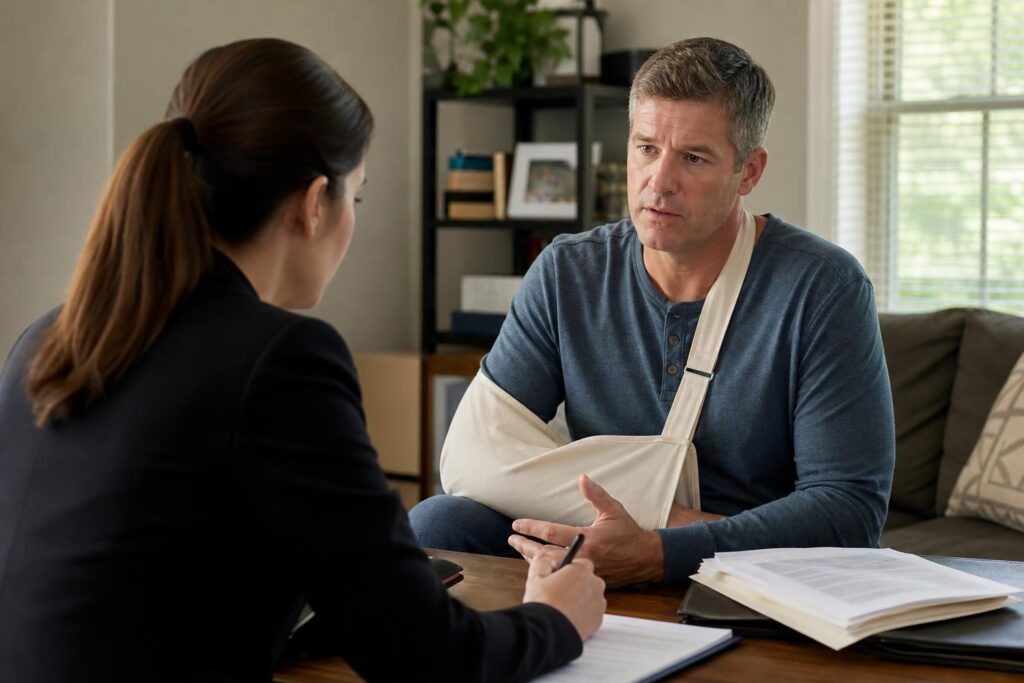
Your Right to Seek Appropriate Medical Care
Your health should come first after an accident or other injury. If emergency care is needed, seek it immediately. Even when an injury does not seem serious, a medical evaluation may be important because some symptoms develop gradually or become more noticeable over time.
Tell your healthcare provider what happened and describe your symptoms accurately. Follow the treatment instructions you receive, attend recommended appointments, and ask questions if you do not understand a diagnosis or care plan. Keep copies of bills, records, prescriptions, work restrictions, and other documents related to your treatment.
Medical records may also help show the nature and extent of an injury. They do not automatically establish who was legally responsible, and a gap in treatment does not by itself decide a claim. Still, organized medical information can make it easier to explain what care you received and how the injury affected you.
Symptoms may appear days after a crash. Our article What If Your Car Accident Injuries Show Up Days Later in Ohio? discusses why delayed symptoms should not be ignored.
Your Right to Document What Happened
Evidence can disappear or become harder to locate as time passes. If you are physically able, preserve information about the incident and its consequences. Depending on the type of claim, useful material may include:
- Photographs or video of the scene, vehicles, property conditions, visible injuries, and damage
- Names and contact information for witnesses
- Police, incident, or accident reports
- Medical bills, treatment records, and appointment information
- Pay records or other documentation concerning time missed from work
- Insurance policies, claim numbers, letters, emails, and messages
- A written record of symptoms, limitations, and how the injury affects ordinary activities
Do not alter photographs or delete potentially relevant messages, posts, or files. Avoid guessing about facts when speaking with an insurer or another party. A clear, truthful account is generally more useful than speculation.
Your Right to Understand the Insurance Process
Insurance companies often begin investigating a claim soon after an incident. An adjuster may ask for a recorded statement, medical authorization, documents, or information about prior injuries. Read requests carefully and provide accurate information, but remember that an insurance adjuster represents the insurer—not you.
You may ask what a document means before signing it. You may also ask for time to review a settlement proposal rather than making an immediate decision. A release can affect more than the amount of a check; it may limit your ability to pursue additional claims connected to the incident. The effect depends on the language of the document and the circumstances.
Do not assume that an insurer’s initial offer reflects the full value of your losses. The offer may be based on information that is incomplete, particularly when treatment is continuing or the long-term effect of an injury is not yet clear. You have the right to decline an offer, negotiate, or seek legal advice before accepting it. That does not mean every offer is unfair or that a case will result in a larger recovery. It means you should understand the proposed resolution before signing away rights.
For more information about this issue, see Ohio Settlement Offer After an Accident.
Your Right to Ask Whether Another Party May Be Responsible
A personal injury claim generally requires more than proof that an injury occurred. The available evidence may need to address responsibility, whether the conduct or condition breached a legal duty, whether it caused the injury, and what losses resulted. Those questions can be different in a rear-end collision, a fall on property, a dog-bite claim, or a case involving negligent care.
Responsibility is not always obvious. More than one person or organization may be involved, and the person who caused an incident may not be the only party whose conduct matters. Businesses, property owners, employers, contractors, drivers, and other entities may have different legal relationships to an event. The answer depends on the facts and the law that applies.
Ohio’s civil-liability rules can also address a claimant’s own conduct. In some cases, allegations that an injured person was partly at fault may affect the claim. Do not assume that a statement from an insurer or another party settles that question. An attorney can evaluate how the evidence and applicable Ohio law may affect responsibility. The Ohio Revised Code is the state’s official statutory source, although identifying the rules that apply to a particular claim may require legal analysis.
Your Right to Seek Compensation for Legally Recognized Losses
Depending on the claim, recoverable damages may include losses such as reasonable medical expenses, income or earning capacity affected by the injury, property damage, physical pain, emotional distress, and the effect of the injury on daily life. Wrongful-death claims involve different issues and may include losses suffered by eligible survivors and the estate under applicable law.
The existence and amount of a particular category of damages depend on the evidence and the legal basis for the claim. A demand for damages should be supported by records and a clear explanation of how the incident affected you. Keep receipts and bills, but also note practical effects that may not appear on an invoice, such as difficulty walking, caring for children, sleeping, driving, or performing ordinary household tasks.
There is no reliable one-size-fits-all formula for valuing a personal injury case. Two people with similar-looking injuries may have very different treatment histories, work circumstances, medical outlooks, and evidence. A settlement or verdict is not guaranteed, and an attorney should not promise a specific result.
Your Right to Consult a Personal Injury Attorney
You are not required to handle an injury claim alone. You may consult an attorney before giving a recorded statement, signing a release, or deciding how to respond to an insurer. Early advice can help identify important evidence, potential parties, insurance issues, and procedural concerns.
An attorney may also help with communications, document requests, settlement discussions, and—when appropriate—filing a lawsuit. Representation does not eliminate uncertainty, and it does not guarantee compensation. It can give you a legal advocate who can explain the process and help you evaluate decisions based on the available facts.
When preparing for an initial consultation, gather relevant documents if you have them, including accident reports, photographs, medical information, insurance correspondence, and wage records. Be candid about prior injuries, treatment, and facts that may not favor your position. An honest assessment gives a lawyer a better opportunity to identify strengths, concerns, and next steps.
Slagle & Kotnik represents injured people and families in Massillon, Canton, Stark County, and surrounding Ohio communities. Learn more about our personal injury representation.
Your Right to Decide Whether to Resolve or Litigate a Claim
Many personal injury disputes resolve through insurance negotiations or a settlement. Others require a lawsuit because the parties disagree about responsibility, damages, or the value of the claim. You have the right to ask questions about the advantages, risks, costs, and timing of any proposed resolution.
If a lawsuit is filed, the process may involve pleadings, evidence exchanged between the parties, depositions, expert opinions, motions, and settlement discussions. A court case can take time and may require you to participate in legal proceedings. You generally have the right to present your position through the legal process, but the specific procedures and available remedies depend on the claim. A trial is not automatic, and the decision whether to pursue one should be based on the circumstances and informed legal advice.
Pay Attention to Deadlines
Personal injury claims are subject to deadlines, and those deadlines can vary according to the type of claim, the identity of the defendant, the date of the injury, and other facts. Special rules may apply to claims involving governmental entities, minors, wrongful death, medical care, or insurance coverage. Waiting can also make witnesses, records, and physical evidence more difficult to locate.
Do not rely on a general internet deadline or assume that an insurer’s investigation preserves every legal right. If you may have a claim, obtain advice promptly so the relevant deadlines and notice requirements can be evaluated. The official Ohio Supreme Court website provides court-related information, while the applicable statutes and rules must be considered in the context of the particular matter.
Practical Steps After an Injury
- Get emergency or other appropriate medical care.
- Report the incident to the appropriate authority, property owner, employer, or insurer when appropriate.
- Preserve photographs, videos, records, contact information, and physical evidence.
- Keep track of treatment, expenses, missed work, and changes to your daily activities.
- Be accurate and cautious when speaking with insurers or posting publicly about the incident.
- Do not sign a release or accept a settlement without understanding what rights it may affect.
- Consult a qualified Ohio attorney about your specific circumstances and possible deadlines.
Talk With Slagle & Kotnik
If you or a family member was injured in Massillon, Canton, Stark County, or a surrounding Ohio community, Slagle & Kotnik can discuss the situation and the options that may be available. Contact the firm for a free consultation. Call 330-832-9833 or contact Slagle & Kotnik online.