
A car accident can leave you dealing with injuries, vehicle damage, insurance calls, and uncertainty about what to do next. The first priority is safety. After that, the steps you take in the hours and days following a crash can help preserve important information and support a clearer insurance or personal injury claim.
This guide is for people involved in crashes in Massillon, Canton, Stark County, and surrounding Northeast Ohio communities. It provides general information, not personalized legal advice. If anyone may be seriously hurt, call 911 and follow the instructions of emergency responders.
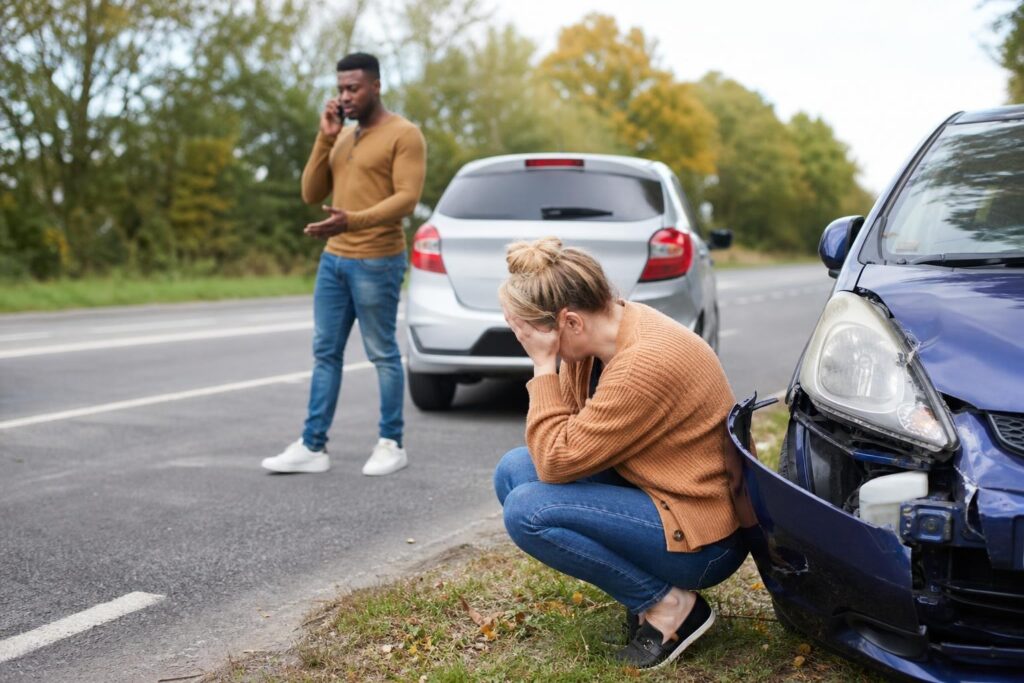
1. Move to safety and check for injuries
If you can do so safely, turn on your hazard lights and move the vehicle out of active traffic. Do not attempt to move an injured person unless leaving them where they are creates an immediate danger. If a vehicle cannot be moved, remain in a safe location and warn approaching drivers when possible.
Check yourself and your passengers for injuries. Some symptoms are obvious, while others may not appear until later. Pay attention to pain, dizziness, confusion, numbness, weakness, headaches, or difficulty moving. A person who seems fine immediately after a collision may still need medical evaluation.
Call 911 when someone is injured, traffic is blocked, a driver appears impaired, the crash involves a dangerous roadway condition, or emergency assistance is otherwise needed. Follow the dispatcher’s instructions and avoid arguing with the other driver at the scene.
2. Report the crash when appropriate
Law enforcement can help address immediate safety concerns, document the scene, identify the drivers, and gather information from witnesses. A report may also become part of the materials reviewed during an insurance claim. Give a factual account of what you observed, but do not guess about speed, distance, or fault if you do not know.
Do not treat the absence of an immediate police response as a reason to ignore the crash. If the situation is safe, obtain the information you need and promptly notify your insurer. When in doubt about reporting or documentation, ask law enforcement or a qualified attorney what may apply to your situation.
3. Exchange information without arguing about fault
Obtain and provide basic identifying and insurance information. You should generally collect:
- Each driver’s name and contact information
- Driver’s license information
- Vehicle make, model, color, and license plate number
- Insurance company and policy information
- The names and contact information of passengers or witnesses, when available
Keep the conversation focused on exchanging information and addressing safety. Avoid accusing the other driver, making threats, or discussing how the collision happened in front of other people more than necessary. A simple apology may be intended as politeness, but statements made at the scene can later be misunderstood. You can be courteous without accepting responsibility.
4. Document the scene if it is safe
Photographs and notes can help preserve details that may disappear after vehicles are moved or weather changes. Take photographs from several angles, including:
- Damage to every involved vehicle
- The roadway, intersections, lanes, and nearby traffic signals or signs
- Skid marks, debris, vehicle positions, and visible hazards
- Weather, lighting, and road conditions
- Visible injuries, when appropriate and with respect for privacy
Write down the approximate time and location, what you remember seeing before the impact, and anything you noticed immediately afterward. Do not edit or enhance photographs in a way that changes what they show. Save copies of photographs, videos, messages, and other records in more than one secure location.
Witnesses may leave before you can speak with them, so ask for contact information when it is safe. Do not place yourself in traffic or delay medical care to gather evidence.
5. Get medical attention and follow up
Seek medical care promptly if you have pain, symptoms, or any concern about an injury. Emergency treatment may be appropriate in serious situations. For other injuries, contact a healthcare provider and describe the collision accurately. Follow the provider’s instructions and attend recommended follow-up appointments.
Some collision-related symptoms can develop or become more noticeable hours or days later. Our article What If Your Car Accident Injuries Show Up Days Later in Ohio? discusses why delayed symptoms should not be ignored.
Keep medical records, discharge instructions, prescriptions, bills, and notes about missed work or daily activities. Medical documentation is important for your health and may also help explain the nature and effect of an injury. Do not minimize symptoms to a provider or stop treatment without discussing that decision with the provider.
6. Notify your insurance company
Review your policy and notify your own insurance company as soon as reasonably possible. Provide accurate information about when and where the crash occurred, the vehicles involved, and whether anyone was injured. Ask how to submit photographs, obtain a rental vehicle if available under the policy, and begin the property-damage process.
You do not have to speculate about who caused the crash. Answer questions truthfully and limit your account to facts you know. Keep a record of claim numbers, adjuster names, calls, emails, and documents you provide.
An insurance adjuster may contact you for a recorded statement, request medical authorizations, or make an early settlement offer. Read anything carefully before signing it. The Ohio Department of Insurance provides general insurance information and consumer resources. If you have significant injuries, disputed liability, or questions about a proposed release, consider speaking with a lawyer before making statements or signing documents.
7. Be careful with social media and online posts
Assume that posts, photographs, videos, comments, and direct messages about the collision may be saved or viewed later. Avoid posting details about the crash, your injuries, medical treatment, travel, work, or physical activities while a claim is pending. Do not delete relevant content after the crash without first obtaining legal advice, since deletion can create additional questions about the claim.
Privacy settings do not guarantee that a post will remain private. Communicate directly with the people who need information, and keep your public comments limited.
8. Keep a complete accident file
Create one file—paper, digital, or both—for documents related to the crash. It may include:
- The police or crash report, if one is available
- Insurance correspondence and claim information
- Photographs, videos, and witness details
- Medical records, bills, prescriptions, and mileage information
- Pay records or employer information concerning missed work
- Repair estimates, towing records, rental-car documents, and receipts
- A dated journal describing symptoms and effects on ordinary activities
Record facts rather than conclusions. A simple daily note about pain, sleep, mobility, appointments, and activities you could not perform may help you remember how the injury affected you over time.
9. Do not rush to settle an injury claim
Property damage can sometimes be evaluated quickly. Injuries may require more time to diagnose and treat. Before accepting money or signing a release, make sure you understand what the document covers and whether it could affect future claims. An early offer may not account for all medical care, lost income, or other consequences of an injury.
Do not assume that the first amount offered is the only option, but also do not assume that every claim has the same value. The evidence, injuries, insurance coverage, medical course, and other circumstances matter. Our guide to mistakes that can hurt an Ohio car accident claim explains several common problems to avoid.
10. Consider legal guidance when the situation is complicated
You may want to speak with an Ohio car accident attorney when:
- You or a passenger suffered an injury
- The other driver or insurer disputes what happened
- More than one vehicle or a commercial vehicle was involved
- You are being blamed for the crash
- The insurer requests a broad statement or medical authorization
- Your medical bills, lost income, or ongoing symptoms are significant
- A settlement document or release has been presented
- A loved one died as a result of the collision
Ohio claims can involve evidence, insurance issues, and legal deadlines that depend on the facts. The Ohio Revised Code is the official source for Ohio statutes, but identifying which provisions apply to a particular accident is not always straightforward. Prompt legal guidance can help you understand the process and make informed decisions without relying on assumptions.
Practical steps for Northeast Ohio drivers
Weather and road conditions can change quickly in Northeast Ohio. Snow, ice, rain, reduced visibility, construction, and deer activity may affect a crash scene and the available evidence. Take reasonable precautions, but do not assume that a weather condition alone determines responsibility. The surrounding facts—including what each driver did and what could be observed—still matter.
For general roadway safety information, the National Highway Traffic Safety Administration offers resources for drivers and passengers. Safety information cannot replace medical care or legal advice after an actual collision, but it can help drivers prepare before one occurs.
Talk with Slagle & Kotnik
If you were injured in a car accident in Massillon, Canton, Stark County, or a surrounding Northeast Ohio community, Slagle & Kotnik can discuss the situation and the options that may be available. Learn more about our car crash representation.
Contact Slagle & Kotnik for a free consultation. Call 330-832-9833 or contact the firm online.