
After an accident in Massillon, Canton, Stark County, or another Ohio community, an insurance adjuster may contact you quickly. The caller may sound helpful and may ask what happened, whether you are injured, where you received treatment, and how the crash affected your life.
Some of these questions may seem simple. Your answers can still become part of the insurance company’s claim file. A rushed statement, an incomplete description of your injuries, or an estimate about fault may later create confusion about what really happened.
Knowing how to handle an Ohio insurance adjuster does not mean refusing every conversation. It means slowing down, giving accurate information, and understanding what you are being asked to provide. This article offers general information for people dealing with an injury claim. It is not personalized legal advice.
Why an insurance adjuster may call
An adjuster usually works for an insurance company involved in the claim. That may be your own insurer, the other driver’s insurer, a commercial carrier, or another company connected to the incident. The adjuster may be gathering basic facts, reviewing damage, assessing medical issues, or evaluating whether the company has a responsibility under a policy.
The first call may be routine. It may also begin a broader review of the claim. The insurance company may compare your statement with the crash report, medical records, photographs, witness information, and other available evidence.
A call from an adjuster does not automatically mean the company has accepted responsibility. It also does not mean you must make immediate decisions about settlement. You can ask who is calling, what company they represent, the claim number, and what information they need.
What to do before answering detailed questions
Take a moment to identify the caller. Write down the person’s name, insurance company, phone number, claim number, and the date and time of the call. If you are uncertain whether the person truly represents an insurer, contact the company through a phone number from its official website or your policy documents.
Ask whether the call is being recorded. If the adjuster requests a recorded statement, you can ask what subjects will be covered and why the statement is needed. You do not have to guess your way through a recorded interview while you are in pain, taking medication, or still trying to understand your injuries.
It can help to gather basic documents before discussing details. These may include:
- The accident report or incident report, if available
- Your insurance information and the other party’s insurance information
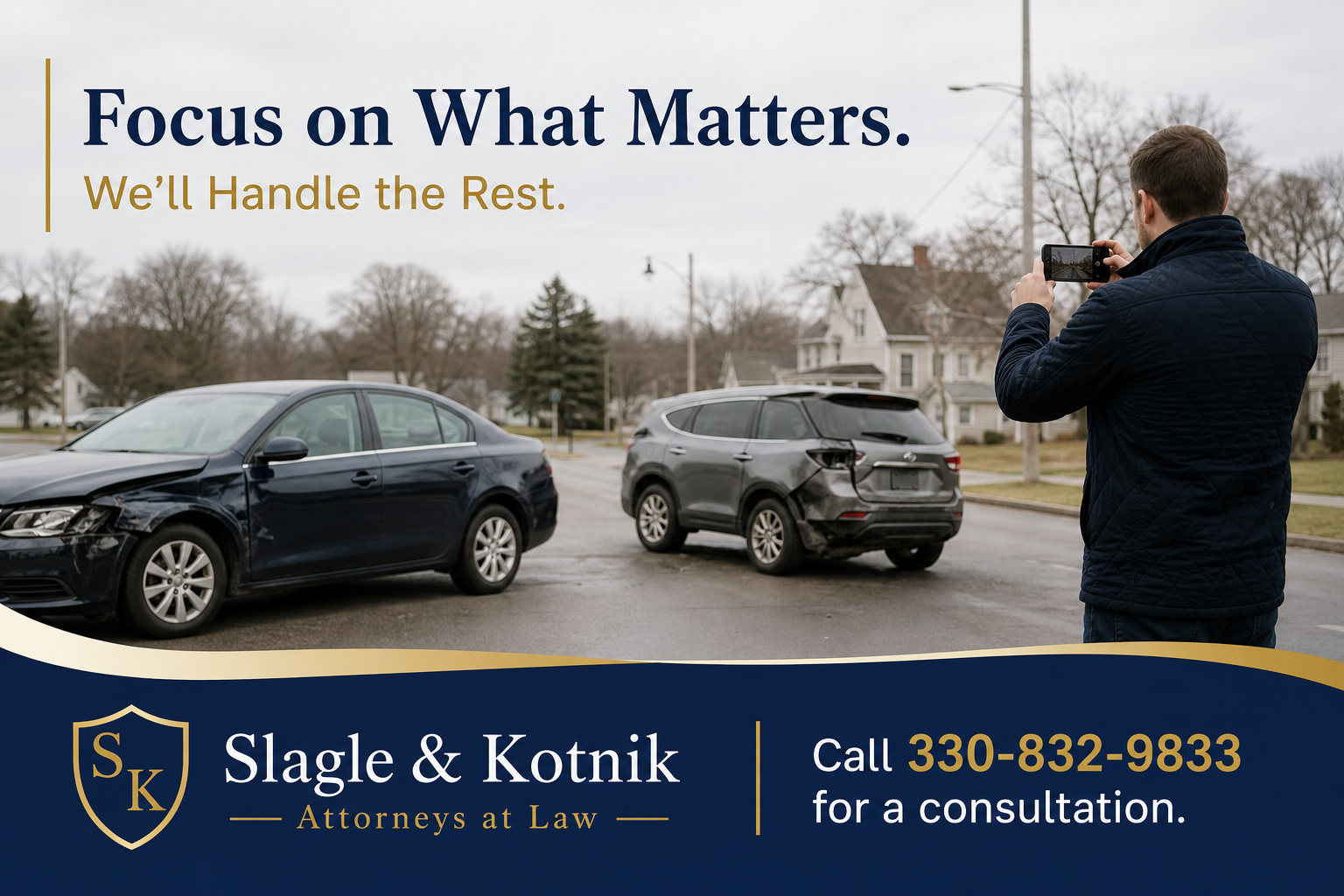
- Photographs or video from the scene and the damaged vehicles
- Names and contact information for witnesses
- Medical provider information and appointment dates
- Notes about missed work, daily limitations, and important symptoms
You do not need to create a perfect account from memory. If you do not know an answer, it is better to say that you do not know than to fill in a gap with a guess.
How to answer an insurance adjuster accurately
Be truthful, brief, and specific. Describe what you personally saw, heard, or experienced. Avoid arguing with the adjuster or trying to prove your entire claim during the first phone call.
Questions about the accident may include where the collision happened, which direction you were traveling, what the traffic or weather conditions were, and whether emergency services responded. Answer only what you know. If you cannot remember the exact speed, distance, or timing, do not estimate simply to provide a number.
Questions about injuries require particular care. Symptoms can change after a collision or fall. You may not know the full extent of an injury during the first day. You can explain what you felt at the time, what symptoms developed later, and what medical care you have received so far.
Do not describe an injury as “minor” merely because you hope it will improve. Do not say that you are “fine” if you are still experiencing pain, reduced movement, headaches, sleep problems, or other symptoms. A casual statement may not reflect your condition, but it can later be cited as if it were a complete medical assessment.
At the same time, avoid exaggeration. Do not claim symptoms you do not have or state that an injury is permanent unless a qualified medical professional has addressed that issue. Honest, careful communication is more useful than dramatic language.
Statements and questions that deserve caution
Questions about fault
An adjuster may ask whether you believe you caused the accident or whether you did anything wrong. You should not make a legal conclusion during a quick conversation. Explain the facts you know instead.
For instance, you can describe where the vehicles were, what happened immediately before impact, and what you observed afterward. You may not know every factor that contributed to the incident. A police report, photographs, vehicle damage, witness accounts, roadway conditions, and other evidence may provide important context.
Ohio’s fault rules can depend on the facts and the legal issues involved. If you are concerned that your own actions may be part of the dispute, consider obtaining legal guidance before offering a detailed statement. General information about evidence may be helpful in the early stages of a claim; you can also review what evidence helps a personal injury claim in Ohio.
Questions about prior injuries
The adjuster may ask about earlier injuries or medical conditions. Answer accurately, but do not assume that a prior condition automatically explains away your current symptoms. A new accident may affect an existing condition, cause a new injury, or make an earlier problem worse.
If you cannot remember a medical date or diagnosis, say so. You can provide information later after checking your records. Never hide relevant medical history or change your answer to make the claim appear simpler.
Requests for broad medical authorizations
An insurer may ask you to sign a medical authorization. Read it carefully before signing. Some authorizations may be limited to treatment related to the accident, while others may be written more broadly.
Do not sign a document you do not understand. Ask what records the authorization seeks, what time period it covers, and how the information will be used. A lawyer can review the request when the records involve sensitive history, unrelated treatment, or a disputed injury.
Requests for social media or other personal information
An adjuster may ask about activities, photographs, online posts, or your daily routine. Do not delete, alter, or hide relevant information. Preserve your existing records and avoid posting about the accident, your injuries, fault, or a potential claim while the matter is unresolved.
Social media can create misunderstandings. A photograph showing you attending an event may not show how much pain you were in before or afterward, but a viewer may draw conclusions without that context. Slagle & Kotnik has also discussed how social media posts can affect a legal case.
Do not let a quick settlement end a developing claim
An insurance company may make an early settlement offer. A payment can seem attractive when medical bills, vehicle expenses, and missed work are creating financial pressure. Before accepting, make sure you understand what the proposed agreement resolves.
A settlement document may include a release. Depending on its language, signing it may affect your ability to seek additional payment for the same incident. You should consider whether you understand your diagnosis, expected treatment, work impact, out-of-pocket expenses, and other losses before making a final decision.
An early offer may not account for every part of an injury claim. It may focus on bills already submitted rather than future care, ongoing symptoms, reduced ability to work, or the effect of the injury on ordinary activities. That does not mean every offer is improper. It means you should review the terms carefully instead of treating the first offer as a deadline.
Keep your own claim file
Good organization can reduce mistakes and help you explain what happened. Create a folder, notebook, or secure digital file for the claim. Keep copies of letters, emails, forms, estimates, bills, and settlement proposals.
Consider maintaining a simple symptom and activity record. Note dates of appointments, symptoms, medications, restrictions, missed work, household tasks you could not complete, and questions for your medical provider. Use factual descriptions rather than dramatic labels.
Save photographs in their original form when possible. Keep the original files and note when and where they were taken. Do not edit photographs to make damage or conditions look worse. Preserve text messages and other communications that may relate to the accident.
Tell your medical providers how the injury affects you and follow reasonable treatment instructions. If you cannot attend an appointment, contact the provider and ask about rescheduling. A gap in treatment can have many explanations, but a clear record helps prevent inaccurate assumptions.
When legal guidance may be useful
You may want to speak with a personal injury attorney before providing a detailed statement or accepting a settlement if:
- You suffered a serious injury or may need continuing treatment
- The adjuster disputes fault or says you contributed to the accident
- More than one person, vehicle, employer, or insurance policy may be involved
- The accident involved a commercial truck, motorcycle, pedestrian, or bicycle
- You are being asked to sign a broad medical release
- Your claim involves significant missed work or a lasting limitation
- The insurance company has denied the claim or stopped responding
- A family member died because of injuries connected to the incident
Legal guidance can help you understand the documents, preserve evidence, communicate with insurers, and evaluate the issues raised by the claim. It does not guarantee a particular result.
Questions to ask before ending the call
Before ending a conversation with an insurance adjuster, consider asking:
- What is your name, title, company, and claim number?
- Are you requesting a recorded statement?
- What documents or information do you want from me?
- Where should I send documents?
- Will you put your request in writing?
- What part of the claim are you currently reviewing?
Write down the answers and the next steps. If the adjuster gives you a deadline, ask whether it is a company request, a document deadline, or a legal deadline. Do not assume that a telephone deadline is the same as a court deadline.
Get help with an Ohio injury claim
An insurance call is only one part of an injury claim, but the information exchanged can matter. Stay calm, avoid guesses, preserve your records, and do not sign documents you do not understand. If your injuries are serious or the claim has become disputed, consider speaking with an attorney before taking the next step.
Slagle & Kotnik represents injured people and families in Massillon, Canton, Stark County, and surrounding Ohio communities. To discuss your situation, contact the firm for a free consultation at 330-832-9833 or lslagle@slaglekotniklaw.com.
This article provides general educational information and is not personalized legal advice. The facts and legal issues in each claim are different.
Talk With Slagle & Kotnik
If you have questions about an Ohio legal matter, contact Slagle & Kotnik in Massillon to discuss the situation and the options that may be available.
Learn more about our Accident representation.