
As summer gives way to cooler mornings and shorter days, Ohio drivers face a different set of challenges on the road. Wet leaves, fog, low sun, early darkness, frost, and increased deer activity can affect visibility, traction, and reaction time. These fall driving hazards in Ohio can arise on busy streets in Canton and Massillon as well as on rural roads throughout Stark County.
Safe fall driving starts with recognizing how quickly conditions can change. A road that appears clear may be slick beneath a layer of leaves. A familiar route may become harder to see during a low-sun commute. Taking more time, leaving additional following distance, and staying alert can help reduce the risk of a crash.
Wet Leaves and Rain Can Make Roads Slick
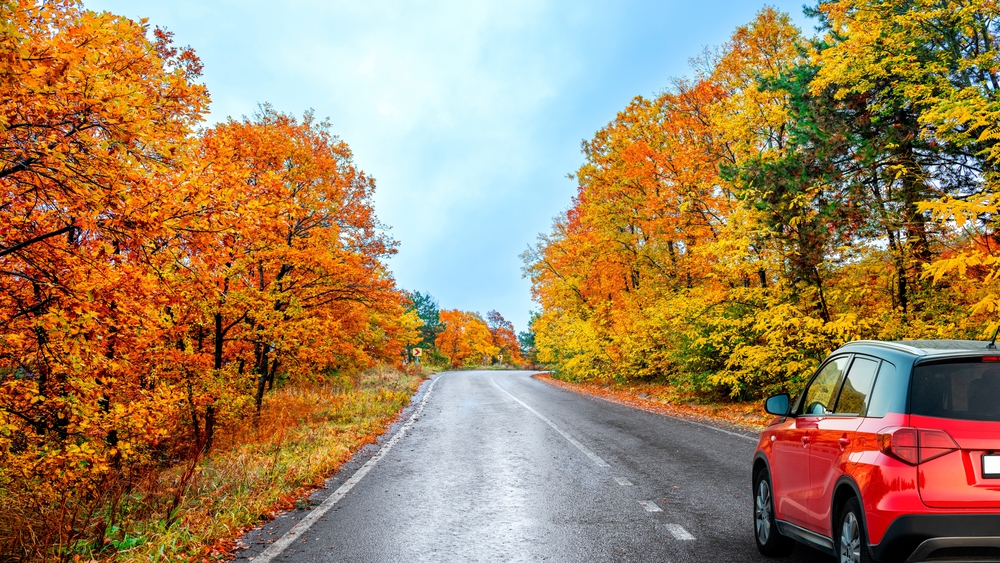
Fallen leaves become especially hazardous when rain soaks them. A layer of wet leaves can reduce tire contact with the pavement and make it harder to stop or steer. The danger may be greater on shaded roads, curves, hills, bridges, and streets where leaves collect along the edges.
Rain also reduces visibility and can hide pavement markings, potholes, standing water, and debris. Drivers may need more time to respond when traffic slows suddenly. Helpful precautions include:
- Reduce speed before entering a curve, hill, or leaf-covered section.
- Leave more space between your vehicle and the one ahead.
- Brake gently and steer smoothly rather than making sudden movements.
- Use headlights when rain or cloud cover makes it harder to see.
- Avoid cruise control on wet or slippery roads so you can respond more quickly.
Good tire condition matters throughout the year, but it becomes particularly important when pavement is wet or slick. Check tire pressure according to the vehicle manufacturer’s recommendations and have worn tires inspected.
Fog and Low Visibility in the Morning
Cool fall mornings can produce fog, especially near rivers, ponds, wooded areas, and low-lying roads. Fog can make it difficult to see stopped traffic, pedestrians, bicyclists, animals, lane markings, and intersections. It can also make distance difficult to judge.
When driving through fog, slow down enough to maintain a clear view of the road ahead. Use low-beam headlights rather than high beams. High beams can reflect off water droplets in the air and create more glare. If your vehicle has front fog lights, use them as intended and continue using headlights so your vehicle remains visible to others.
Do not follow another vehicle so closely that you rely on its taillights to guide you. Leave room to brake if the vehicle ahead stops. If visibility becomes dangerously poor, look for a safe place to pull completely off the roadway. Stopping in a travel lane or on a narrow shoulder can create another hazard.
Low Sun and Glare During the Commute
In autumn, the sun sits lower in the sky during parts of the morning and afternoon. Drivers traveling east in the morning or west in the evening may face intense glare. Sunlight can make it difficult to see traffic signals, brake lights, pedestrians, and vehicles approaching from the opposite direction.
Keep the windshield clean inside and out. Dust, streaks, and small scratches can scatter sunlight and make glare worse. Use the vehicle’s sun visors, wear sunglasses that reduce glare, and slow down when you cannot see clearly. If a signal or road condition is obscured, do not guess. Reduce speed and wait until you can confirm what is ahead.
Earlier Sunsets and Night Driving
Shorter days mean that many Ohio drivers travel home after dark. Nighttime driving can reduce visibility and make it harder to identify pedestrians, cyclists, animals, roadway defects, and vehicles without working lights. Fatigue may also become a concern after a long workday.
Before fall driving becomes routine, check that the headlights, taillights, brake lights, and turn signals work properly. Clean dirty lenses and replace bulbs when needed. Keep your windshield and mirrors clear, and adjust your speed for the distance you can actually see.
When facing oncoming headlights, avoid staring directly at the glare. Look toward the right edge of your lane while continuing to monitor traffic. If you feel drowsy, find a safe place to stop and rest. Opening a window or turning up the radio is not a substitute for getting off the road when you are too tired to drive safely.
Deer and Other Wildlife on Ohio Roads
Fall brings increased deer movement, particularly around dawn and dusk. Deer may travel in groups, so seeing one animal can mean that others are nearby. They may also cross unexpectedly from wooded areas, fields, or roadside vegetation. Rural roads are not the only places where wildlife appears; deer can enter suburban neighborhoods and roads near parks or wooded lots.
Scan both sides of the roadway instead of focusing only on the lane directly ahead. Slow down in areas marked with deer-crossing signs and use extra caution when visibility is limited. The Slagle & Kotnik guide to deer-related car accidents in Ohio provides additional information about this seasonal risk.
If a deer enters the roadway, brake firmly while maintaining control of the vehicle. Avoid swerving into oncoming traffic, a ditch, a tree, or another fixed object. A controlled collision may be less dangerous than an abrupt maneuver, depending on the circumstances. After any impact, stop in a safe location if possible and assess whether anyone needs emergency help.
Frost, Black Ice, and Freezing Temperatures
Fall mornings can bring the first frost of the season before drivers expect winter conditions. Frost on the windshield can block a driver’s view, while thin ice may form on bridges, overpasses, ramps, and shaded areas before it appears on other parts of the road.
Clear every window, mirror, and light before driving. Do not rely on a small opening in the windshield. Give yourself additional travel time so you are not tempted to drive before the vehicle is fully cleared. A remote starter may warm the vehicle, but it does not replace checking that the windows and lights are unobstructed.
When temperatures are near freezing, use gentle steering, braking, and acceleration. Be especially careful on bridges and elevated roadways. If the vehicle begins to slide, avoid abrupt inputs and focus on maintaining control. Drivers should also remember that shaded pavement can remain icy even when nearby pavement appears dry.
School Traffic, Pedestrians, and Bicyclists
Autumn brings changes to school and work routines. More children may be walking near schools, bus stops, and neighborhood streets during morning and afternoon travel. Leaves, darkness, rain, and parked vehicles can make pedestrians harder to see.
Obey school-zone signs and crossing signals, and slow down near stopped school buses. Watch for children who may enter the roadway unexpectedly. Give bicyclists adequate space and check carefully before turning or opening a vehicle door. A few extra seconds of attention can help prevent a serious collision.
Prepare Your Vehicle for Fall
A basic vehicle check can identify problems before they become dangerous. Consider checking:
- Tire pressure, tread, and visible damage.
- Windshield wipers and washer fluid.
- Headlights, brake lights, turn signals, and hazard lights.
- Brakes and the vehicle’s ability to stop smoothly.
- Defroster and climate controls.
- Battery condition, particularly before colder weather arrives.
- Mirrors, windows, and cameras for dirt or obstruction.
Keep an emergency kit in the vehicle with items appropriate for the season, such as a flashlight, phone charger, basic first-aid supplies, water, and warm clothing. The exact items depend on the vehicle, route, and weather, but preparation can be useful if a crash, breakdown, or road closure leaves you waiting for assistance.
What to Do After a Fall-Weather Crash
Even careful driving cannot eliminate every risk. If a crash occurs, first check for injuries and call 911 when emergency assistance is needed. If it is safe to do so, move the vehicle out of active traffic. Do not put yourself in danger by standing in a travel lane or approaching a vehicle that may be unstable.
Exchange identifying and insurance information with the other driver. Take photographs of the vehicles, roadway, weather conditions, signs, visible hazards, and surrounding area when doing so is safe. Note the time and location, and identify potential witnesses. Avoid arguing about fault at the scene or making statements about the extent of your injuries before you know how you are affected.
Some crash-related symptoms may not be obvious immediately. Seek appropriate medical attention and follow the instructions you receive. Keep records of medical visits, expenses, missed work, vehicle damage, and communications with insurance representatives. These records may help explain what happened and how the collision affected you.
For more general information about the steps that may follow a collision, see What to Do After a Car Accident in Northeast Ohio. Insurance and injury issues depend on the facts of each situation, so online information cannot determine what applies to a particular person.
When to Consider Legal Guidance
A crash involving significant injuries, disputed responsibility, multiple vehicles, an uninsured driver, or difficult insurance communications can raise questions that are not easily answered by a form or phone call. A lawyer can review the available information, explain the claims process, and discuss options without promising a particular result.
Slagle & Kotnik represents injured people and families in Massillon, Canton, Stark County, and surrounding Ohio communities. Learn more about our car crash representation.
Stay Careful as Ohio’s Conditions Change
Fall driving hazards in Ohio can develop quickly. Wet leaves, fog, glare, darkness, frost, and deer each call for a slower and more attentive approach. Vehicle maintenance, good visibility, safe following distance, and thoughtful decisions can help you manage changing road conditions.
If you or a family member has been injured in a crash, contact Slagle & Kotnik to discuss the situation and the options that may be available. Call 330-832-9833 or contact the firm online for a free consultation. This article provides general information and is not personalized legal advice.