
After an injury, medical appointments, bills, missed work, and uncertainty can make it difficult to know what to do next. An insurance company may ask for a statement or present a settlement offer before you understand the full effect of the injury. Taking organized, informed steps can help protect your rights and preserve the information needed to evaluate a personal injury claim.
Personal injury law covers many situations, including vehicle collisions, truck and motorcycle crashes, slip-and-fall incidents, dog bites, workplace-related claims, nursing-home neglect, and other civil matters. The value and strength of each claim depend on its facts. No attorney can guarantee a particular result, but an experienced Ohio personal injury lawyer can investigate what happened, identify potentially responsible parties, document losses, and pursue a claim supported by the available evidence.
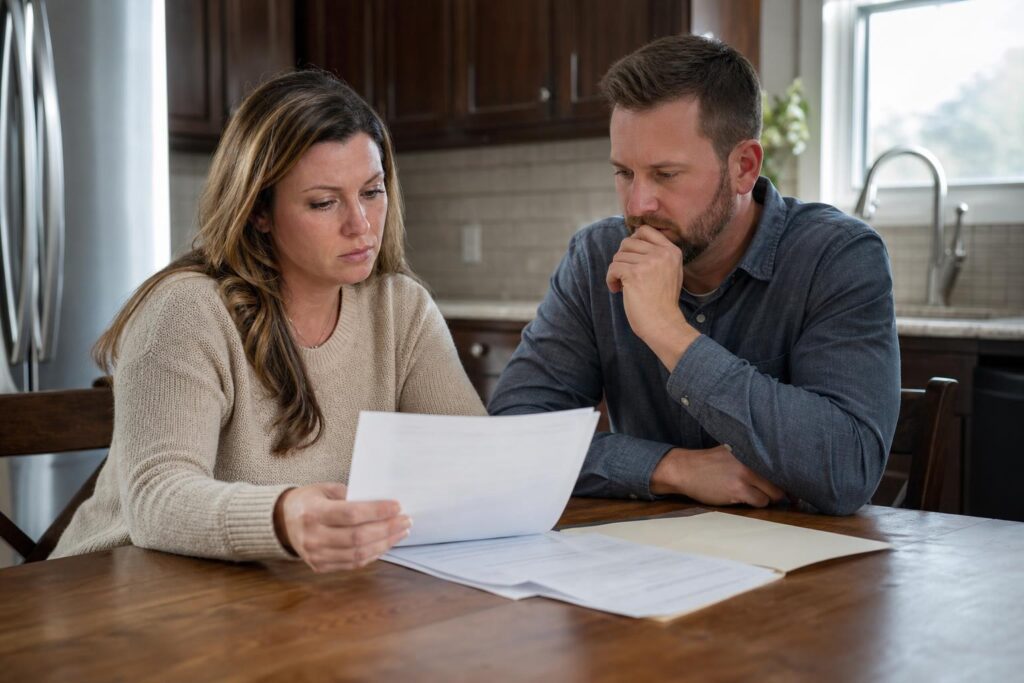
What a personal injury claim may involve
A personal injury claim generally seeks compensation for harm caused by another person, business, or organization. Many claims are based on negligence. In broad terms, that means showing that the other party had a responsibility to act with reasonable care, failed to do so, and caused injuries or losses as a result.
The details differ by case. A driver may be accused of unsafe driving. A property owner may have failed to address or warn about a dangerous condition. A business may have sold a defective product or failed to follow reasonable safety practices. Other claims may involve different legal theories, special rules, or multiple responsible parties.
To evaluate a claim, an attorney may examine the accident circumstances, medical records, photographs, witness accounts, incident reports, insurance coverage, employment information, and other records. The investigation should address both liability—who may be legally responsible—and damages—the financial and personal effects of the injury.
Steps that can help protect your claim
Get appropriate medical care
Your health should come first. Seek medical attention for known injuries and follow the treatment instructions provided by your healthcare professionals. Some symptoms may not be obvious immediately after a crash or other incident. Medical records can also help connect your symptoms and treatment to the event.
Keep copies of bills, treatment instructions, prescriptions, test results, and records of appointments. Tell your providers about relevant symptoms and changes in your condition. Do not stop treatment solely because an insurer questions a bill or because you are unsure how the expense will be paid; instead, ask your healthcare provider or lawyer about available options.
Report the incident and preserve information
Report a collision, workplace incident, fall, dog bite, or other event to the appropriate person or agency. Request a copy of any report that is available. Write down what you remember while the details are fresh, including the date, time, location, weather or lighting conditions, people involved, and what happened before and after the injury.
Preserve photographs and video from the scene, damaged property, visible injuries, roadway or floor conditions, warning signs, and other relevant details. Keep physical evidence when it is safe to do so. Do not repair, discard, or alter an item that may help explain how the injury occurred without first documenting it and discussing it with counsel.
Be cautious with insurance communications
Report an accident as required by your policy and cooperate with reasonable claim procedures. An insurance adjuster may ask questions, request records, or seek a recorded statement. You do not have to guess about your diagnosis, minimize your symptoms, or speculate about fault. Answer truthfully and accurately, and consider speaking with an attorney before making a detailed statement about a disputed injury or liability issue.
Do not sign a release or accept a settlement simply because an offer provides immediate financial relief. A release may affect claims for additional medical care, lost income, or other losses that are not yet fully understood. A lawyer can review the offer and explain the issues that may need to be considered before you decide how to respond. For more information about evaluating an offer, see Ohio settlement offers after an accident.
Keep a complete claim file
Create one place for important documents and communications. Include medical bills and records, wage information, mileage to appointments, property damage estimates, insurance letters, photographs, witness information, and notes about conversations with insurers or other parties.
A simple daily record may also help you describe pain, mobility limitations, sleep problems, missed activities, emotional effects, and the ways the injury affects work and household responsibilities. It should be honest and specific rather than exaggerated. These details may help show the injury’s impact when memories fade or symptoms fluctuate.
What compensation may be considered
Potential damages depend on the facts, available proof, applicable law, and the insurance or assets available to satisfy a claim. They may include:
- Medical expenses: Bills already incurred and, when supported by medical evidence, reasonably anticipated treatment or care.
- Lost income: Wages or other employment income missed because of the injury. A claim may also require evidence concerning future work limitations.
- Reduced earning ability: In some cases, an injury affects a person’s ability to perform the same work or earn the same income in the future.
- Property damage: Repair or replacement costs for a vehicle and other property damaged in the incident.
- Physical pain and emotional effects: The injury’s effect on comfort, sleep, daily activities, relationships, and quality of life may be relevant to the damages analysis.
- Other legally recognized losses: Depending on the claim, additional categories may apply. Certain damages can involve specific legal standards and evidentiary requirements.
Documentation matters for every category. A medical bill may show an expense, but records may also be needed to explain why treatment was necessary and whether future care is reasonably expected. Employment records can help document missed work, while testimony and daily records may help describe non-economic effects.
Personal injury damages are not calculated by adding bills alone. The analysis should account for the complete effect of the injury while avoiding unsupported estimates. Ohio statutes and court decisions may affect available damages, proof requirements, and other issues. The Ohio Revised Code is one official source of Ohio statutes, but a lawyer should review how the current law applies to the specific facts.
How an attorney may help maximize a supported recovery
“Maximizing compensation” does not mean promising a result or inflating a claim. It means pursuing every legally supportable category of loss and presenting the evidence clearly. An attorney may help by:
- Investigating the incident before important evidence is lost;
- Identifying all potentially responsible individuals, businesses, insurers, or other entities;
- Reviewing medical records and seeking information about the injury and likely treatment;
- Calculating documented financial losses and investigating the effect on employment;
- Organizing photographs, reports, witness accounts, electronic records, and other evidence;
- Communicating with insurance representatives and responding to disputed issues;
- Evaluating whether a settlement offer reflects the known damages and claim risks;
- Explaining negotiation, filing, discovery, mediation, and trial procedures; and
- Preparing the case for litigation when a fair resolution cannot be reached through negotiations.
Legal representation does not remove uncertainty. Liability may be disputed, medical opinions may differ, insurance coverage may be limited, and the injured person’s own conduct may be raised as an issue. Ohio law can also impose filing deadlines and other procedural requirements. Waiting too long can make evidence harder to locate and may affect legal rights, so it is sensible to seek case-specific advice promptly.
Settlement negotiations and a possible lawsuit
Many personal injury claims are resolved through negotiation rather than trial. A settlement can provide a defined resolution without the time, expense, and uncertainty of courtroom litigation, but whether an offer is appropriate depends on the evidence and the person’s current and future needs. A settlement may also require a release of claims, making careful review important.
If negotiations do not produce an acceptable resolution, filing a lawsuit may be considered. Litigation can involve pleadings, document requests, written questions, depositions, expert opinions, motions, mediation, and trial preparation. The process may take time, and the decision to file should be based on the claim’s evidence, legal issues, potential damages, costs, and risks.
A court or jury—not the attorney—decides disputed issues if the case reaches trial. The result may depend on witness credibility, medical evidence, documents, expert testimony, and the legal instructions applied to the case. A lawyer’s role is to prepare the evidence, present the legal arguments, and advocate for the client within the requirements of Ohio law.
Common mistakes that can weaken a claim
People often unintentionally create problems by delaying medical care, failing to report an incident, discarding evidence, missing appointments without explanation, or posting about the injury on social media. Inconsistent descriptions of symptoms or activities can also invite questions about the claim.
Do not assume that an insurer’s first offer is the full value of the claim, and do not assume that an attorney can determine the case value from one conversation. A meaningful evaluation usually requires records, investigation, and an understanding of how the injury affects the person over time. More guidance is available in What Evidence Helps a Personal Injury Claim in Ohio?
Talk with an Ohio personal injury attorney
If you or a family member was injured in Massillon, Canton, Stark County, or a surrounding Ohio community, Slagle & Kotnik can discuss what happened and the options that may be available. The firm represents injured people and families in personal injury and civil litigation matters, including vehicle crashes, falls, dog bites, nursing-home concerns, and wrongful death cases.
Contact Slagle & Kotnik’s personal injury practice for a free consultation. Call 330-832-9833 or visit the firm’s contact page. This article provides general information and is not a substitute for legal advice about a particular situation.