
Placing a parent, spouse, or other loved one in a nursing home requires a great deal of trust. Families expect the facility and its staff to provide appropriate care, supervision, nutrition, hygiene, medication management, and a reasonably safe living environment.
When those needs are not met, a resident may suffer physically and emotionally. Nursing home neglect is not always obvious at first. A resident may be unable to explain what happened, may have memory or communication difficulties, or may hesitate to complain about the people responsible for daily care.
Knowing the potential warning signs can help families ask better questions, document concerns, and seek help when a loved one’s health or safety may be at risk. Ohio law addresses the rights and protection of residents in long-term care settings. The Ohio Revised Code is one place to review Ohio’s statutory provisions, although the law that applies can depend on the facility, the resident’s circumstances, and the facts involved.
What is nursing home neglect?
Nursing home neglect generally involves a failure to provide care, supervision, services, or attention that a resident needs for health or safety. The concern may involve medical needs, personal care, nutrition, mobility, protection from hazards, or other basic aspects of daily living.
Neglect is different from an unavoidable medical complication. Residents may have serious illnesses, chronic conditions, or frailty that can lead to changes in health even when appropriate care is provided. A single symptom does not, by itself, establish neglect. A repeated problem, an unexplained injury, a missed need, or a pattern of inadequate care deserves closer attention.
Families should also understand that neglect and intentional abuse are not the same thing, although both can seriously harm a resident. Abuse may involve deliberate physical, emotional, or sexual mistreatment. Neglect more often concerns a failure to provide necessary care. The two may overlap, and a careful review of the records and circumstances may be necessary to understand what occurred.
Common warning signs of nursing home neglect
Possible signs can involve a resident’s physical condition, living environment, medications, behavior, or the facility’s response to questions. Warning signs may include:
- Unexplained weight loss, dehydration, frequent hunger, or signs that meals and fluids are being missed
- Bedsores, pressure injuries, untreated wounds, infections, or worsening skin conditions
- Repeated falls, bruises, fractures, or other injuries without a clear and consistent explanation
- Unclean clothing, soiled bedding, poor personal hygiene, or strong odors that are not promptly addressed
- Missed medications, medical appointments, therapy, treatments, or follow-up care
- Changes in mobility, alertness, speech, mood, or behavior that are not adequately explained
- Long delays in answering call lights or providing help with toileting, eating, repositioning, or movement
- Unsafe walkways, inadequate lighting, missing mobility assistance, or other hazards in the resident’s living area
- Sudden fearfulness, withdrawal, agitation, or reluctance to speak in front of staff
- Staff members who give conflicting explanations or appear unwilling to answer reasonable questions
One sign may have an innocent explanation. The concern becomes more significant when symptoms continue, the facility does not respond, or several warning signs appear together. Families should pay attention to both the resident’s condition and the facility’s efforts to identify and address the problem.
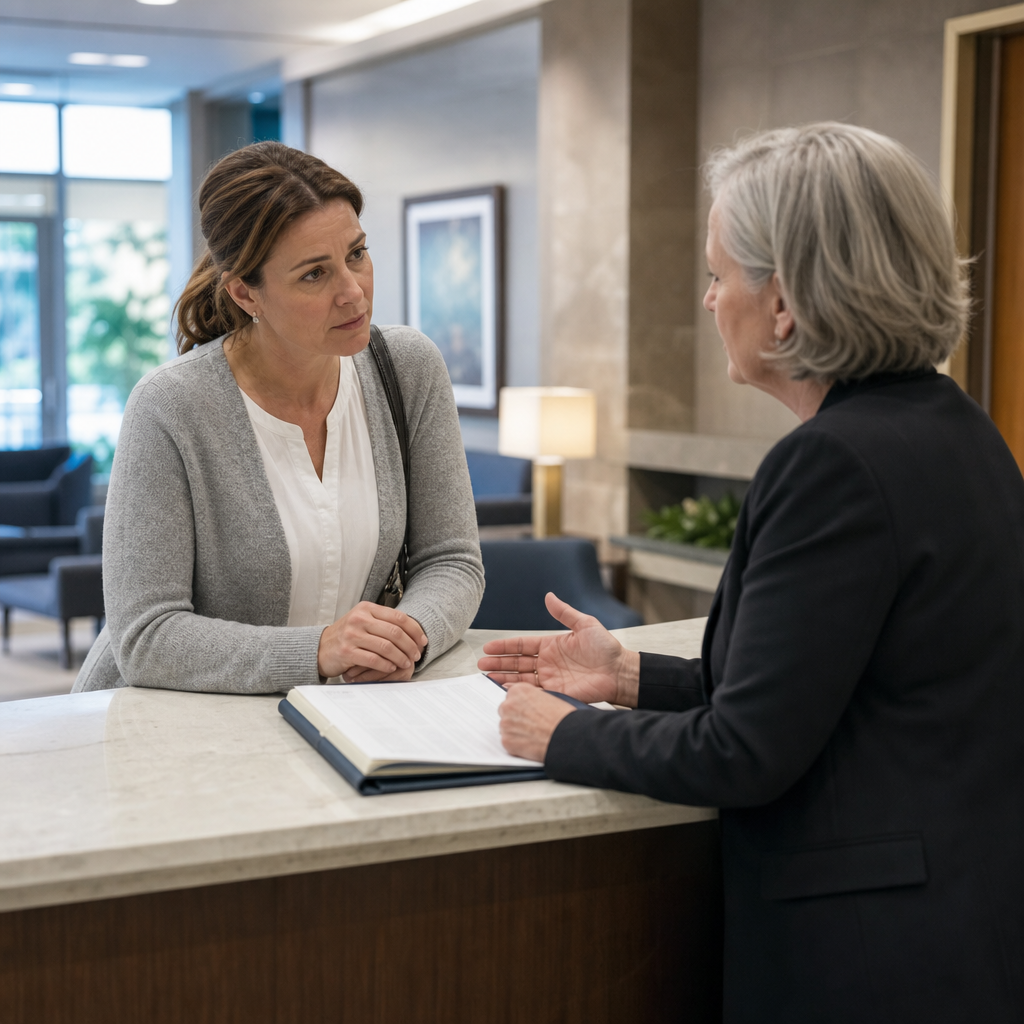
Changes in a resident’s behavior may be important
Some residents cannot clearly describe pain, mistreatment, or a failure to receive care. This may be especially true for people living with dementia, memory loss, speech limitations, serious illness, or other conditions that affect communication.
Watch for changes such as withdrawal, agitation, fear around particular staff members, difficulty sleeping, loss of interest in familiar activities, or unusual resistance to care. Physical changes may include bruising, dehydration, poor hygiene, worsening weakness, infections, or injuries that do not seem consistent with the explanation provided.
These changes do not automatically prove neglect. Health conditions can develop for many reasons, and a resident’s symptoms should be evaluated by appropriate medical professionals. The purpose of observing and documenting these changes is to make sure potential problems are not overlooked and that the resident receives an appropriate response.
What to do if you suspect nursing home neglect
Address immediate safety and medical needs
If your loved one is in immediate danger or needs urgent medical attention, call 911 or seek emergency care. Immediate protection and treatment should come before an internal facility investigation or a legal consultation.
If the resident is not in immediate danger, ask whether a medical evaluation is needed and make sure the concern is communicated to an appropriate nurse, physician, administrator, or other responsible professional. Ask that the resident’s condition and the steps taken be documented in the care record.
Document what you observe
Write down the date, time, location, and nature of each concern. Describe visible injuries, changes in condition, missed care, conversations with staff, and the response you received. Use specific descriptions instead of conclusions. For example, record what you saw, heard, or were told rather than simply writing that the facility was negligent.
When appropriate, photographs may help document visible conditions. Preserve the original files and note when they were taken. Keep copies of messages, care updates, medical records, bills, incident reports, medication information, and other communications. If your loved one describes what happened, write down the person’s words as accurately as possible.
A care journal can help reveal whether an incident was isolated or part of a continuing pattern. It may also help family members compare what they observe with information provided by the facility.
Ask focused questions
Speak with the nurse, administrator, or another person responsible for the resident’s care. Ask:
- What happened, and when did it happen?
- Who observed the incident or first identified the problem?
- What assessment or treatment was provided?
- Were the resident’s physician and family notified?
- What changes will be made to reduce the risk of another incident?
- What records or reports were created?
Take note of whether the facility responds promptly and consistently. Explanations may change as more information becomes available, but repeated inconsistencies, dismissive responses, or an unwillingness to discuss basic safety concerns should not be ignored.
Report ongoing or serious concerns
Depending on the circumstances, a family may report suspected neglect to the facility, an appropriate state or local oversight agency, law enforcement, or another responsible authority. The correct reporting path can depend on the type of facility, the resident’s condition, and whether the concern involves neglect, abuse, an unsafe environment, or a medical issue. The Ohio Department of Health provides information about health-related oversight and may be a useful starting point for understanding available resources.
When making a report, keep a record of the date, the person who received it, the information provided, and any follow-up instructions. Reporting a concern and pursuing a civil claim are separate decisions. Making a report does not automatically establish legal responsibility, and choosing to speak with a lawyer does not prevent a family from seeking immediate protection for the resident.
Preserving records after a suspected neglect incident
Important information may exist in the facility’s chart, medication administration records, care plans, nursing notes, staffing records, incident reports, photographs, communications, and hospital records. Families should avoid altering documents or relying only on memory. Keep records in a secure location and maintain a simple timeline of the resident’s condition and treatment.
Do not assume that a facility’s initial explanation is the complete record of what happened. If the resident was hospitalized, request and preserve relevant discharge information and medical records. If a serious injury occurred, note how the injury affected the resident’s mobility, independence, comfort, and daily activities. These details can help a lawyer and medical professionals understand the situation.
More information about preserving documentation may also be useful in other injury matters. Slagle & Kotnik discusses what evidence can help a personal injury claim in Ohio, although nursing home cases may involve additional records and issues specific to long-term care.
When should you contact an Ohio nursing home neglect lawyer?
Consider speaking with an attorney when a loved one suffers a serious injury, develops a significant health problem, experiences repeated care failures, or dies after concerns about the care provided. Legal guidance may also be helpful when the facility denies responsibility, gives incomplete information, refuses to discuss an incident, or does not appear to preserve important records.
You do not need to determine the legal cause of the problem before seeking information. Bring your timeline, photographs, communications, medical records, bills, and notes to a consultation if they are available. An attorney can review the information, identify questions that may need investigation, and explain possible next steps without promising a particular result.
In some situations, a resident’s injuries may have long-term consequences for the resident and family. If a death occurred, the legal issues may differ from those involved in an injury claim. Families can learn more about the general subject in Wrongful Death in Ohio: Your Legal Guide.
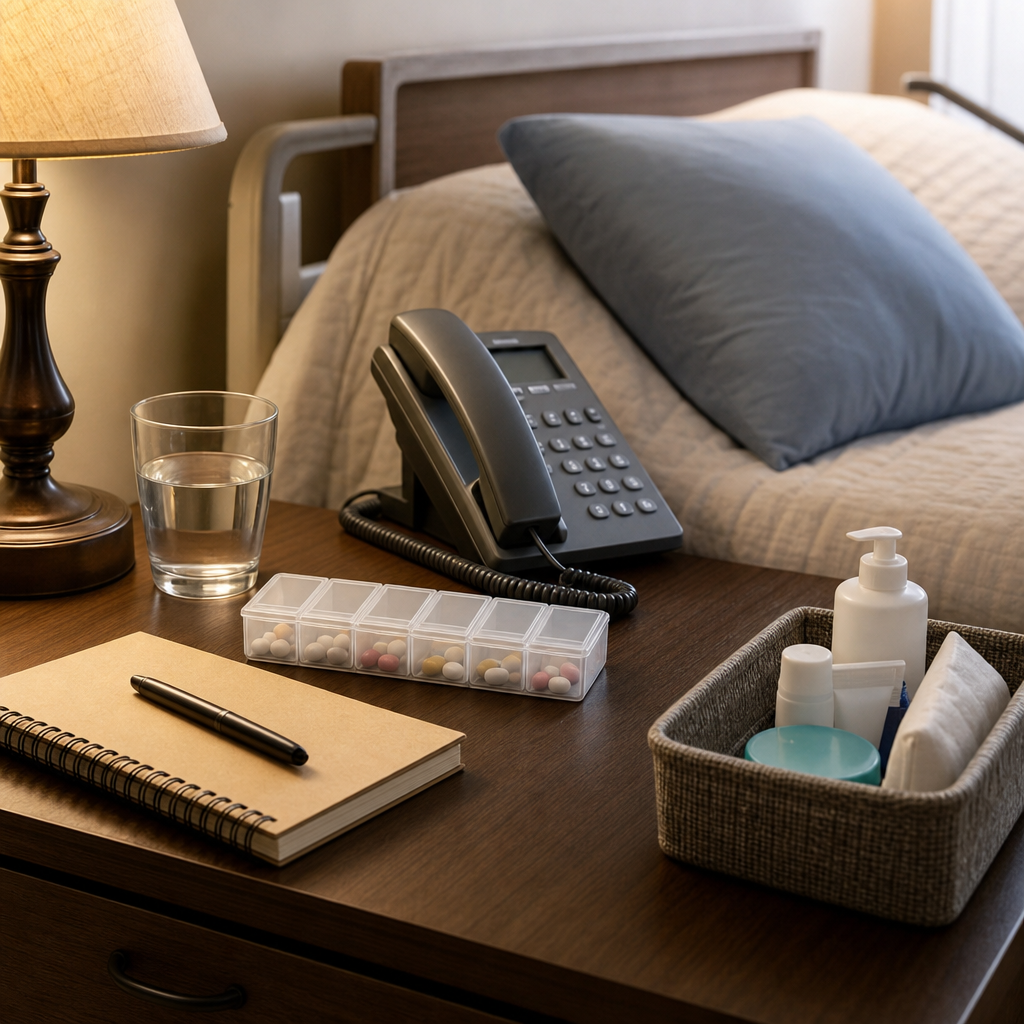
Helping protect a nursing home resident
Regular visits can help families notice changes that may otherwise go unseen. Ask the resident how care is being provided, observe the resident’s condition and surroundings, and communicate respectfully with staff. Keep questions and concerns in writing when possible, especially when a problem continues.
Families in Massillon, Canton, Stark County, and surrounding Ohio communities do not have to decide on their own whether a troubling situation may involve neglect. If you are concerned about a loved one’s care, contact Slagle & Kotnik for a free consultation at 330-832-9833. This article provides general information and is not personalized legal advice.
Talk With Slagle & Kotnik
If you have questions about a possible nursing home neglect matter in Ohio, contact Slagle & Kotnik in Massillon to discuss the situation and the options that may be available.
Learn more about our Nursing Home Neglect representation.