
An unexpected car crash or other serious injury can disrupt nearly every part of life. Medical appointments, missed work, insurance calls, vehicle damage, and uncertainty about the future can quickly become overwhelming. People in Massillon, Canton, and communities throughout Stark County often have questions about what to do next and whether someone else may be legally responsible.
Ohio personal injury law can apply when another person’s conduct, a business’s unsafe condition, or another form of negligence causes harm. The facts matter in every case. An injury alone does not automatically establish legal responsibility, and insurance coverage does not always reflect the full effect an injury has on a person or family.
Slagle & Kotnik represents injured people and families in Stark County and surrounding Ohio communities. The information below provides a general overview of personal injury and car accident claims. It is not a substitute for advice about a specific situation.
Personal injury cases that arise in Stark County
Personal injury law covers a wide range of accidents and harmful conduct. Common matters include:
- Car, truck, and motorcycle crashes
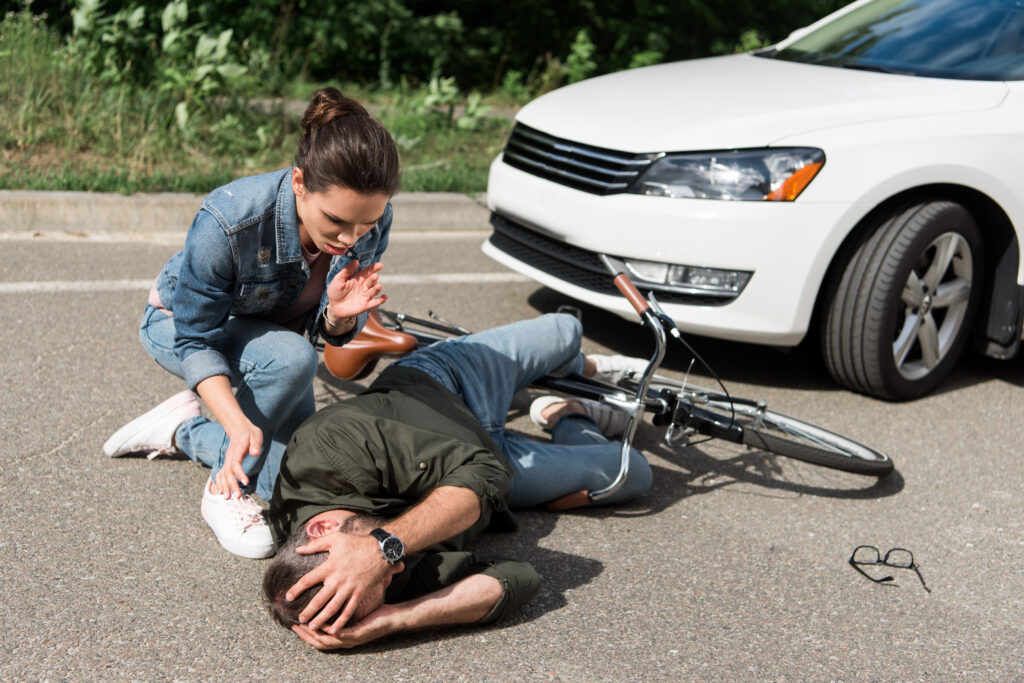
- Pedestrian and bicycle collisions
- Slip-and-fall and other premises-liability incidents
- Dog bites and animal attacks
- Work-related injuries and related civil claims
- Nursing-home neglect or abuse concerns
- Fatal injuries and wrongful-death claims
A claim may involve more than one potential source of responsibility. A driver may have caused a collision, for instance, while an insurance company evaluates coverage and a medical provider documents the resulting treatment. In a premises case, the important issues may include the property condition, notice of the hazard, warnings, and how the incident occurred.
Whether an injured person has a viable claim depends on the available facts, the applicable law, the nature of the injury, and any defenses raised by the other side.
What to do after a car accident or other injury
Safety and medical care should come first. If emergency help is needed, call 911. When possible, report a car crash to law enforcement and exchange information with the other driver. Avoid arguing about fault at the scene. A simple statement that the accident occurred does not require you to decide who is legally responsible before all the facts are known.
Prompt medical evaluation can identify injuries that are not immediately obvious. Neck, back, concussion, and soft-tissue symptoms may develop or become more noticeable later. Tell the healthcare professional what happened and follow the recommended care plan. If symptoms change, report that change rather than assuming it will resolve on its own.
Preserve information while it is available. Depending on the situation, useful material may include:
- Photographs or video of vehicles, the scene, road conditions, property conditions, and visible injuries
- The names and contact information of witnesses
- The crash report or incident report
- Medical records, bills, prescriptions, and instructions from healthcare providers
- Employment information showing missed work or reduced earnings
- Insurance correspondence, claim numbers, and recorded-statement requests
- Notes describing pain, limitations, appointments, and changes in daily activities
Do not delete photographs, messages, or other records related to the incident. A person should also be careful about posting photographs or comments about the accident, injuries, activities, or claim on social media. Statements or images can be misunderstood when taken out of context.
For additional guidance about documentation, see what evidence can help a personal injury claim in Ohio.
How fault and insurance may affect a claim
Many Ohio personal injury claims involve negligence. In general terms, the investigation may examine whether another person or entity owed a duty, failed to act with reasonable care, and caused the injury. Evidence can include witness accounts, photographs, vehicle damage, medical records, traffic or surveillance video, expert opinions, and the statements of the people involved.
Insurance companies conduct their own investigations. An adjuster may ask for a recorded statement, medical authorization, photographs, or information about prior injuries. The adjuster’s role is to evaluate the claim for the insurer, not to serve as the injured person’s legal representative. It is reasonable to understand what is being requested and why before agreeing to provide information.
Ohio law may also consider whether more than one person contributed to an accident. A dispute about partial fault does not necessarily end the analysis, but it can affect a claim. The specific facts and applicable rules require careful review. The Ohio Revised Code is the official source for Ohio statutes, although statutes may change and do not explain every issue that can arise in an individual case.
Types of losses an injury claim may address
The losses connected to an injury can be financial, physical, and personal. Depending on the facts, a claim may seek damages related to:
- Emergency care, physician visits, hospitalization, medication, rehabilitation, and other medical treatment
- Reasonably supported future medical needs
- Lost wages or income during recovery
- Reduced ability to work in the future
- Physical pain and limitations
- Emotional distress and the effect of the injury on ordinary activities
- Vehicle damage, property damage, or other out-of-pocket losses
These categories are not automatic payments. Their availability and value depend on the evidence, the injury, the conduct involved, insurance coverage, and other legal issues. Medical bills alone do not fully describe how an injury has affected someone, but they can be important records in evaluating treatment and financial losses.
Keep bills and explanation-of-benefits documents, even when health insurance or another source initially pays a portion of the expense. Do not assume that an insurer’s first offer accounts for every present and future consequence of an injury. Before signing a release, make sure you understand what rights the document may affect.
Why medical documentation and consistent care matter
Medical records help connect an accident to the symptoms, diagnosis, treatment, and restrictions that follow. A gap in treatment does not automatically disprove an injury, but it may prompt questions about what happened during that period. If transportation, cost, work, or another obstacle interferes with treatment, discuss the problem with the healthcare provider and keep records of the issue.
A daily symptom and activity journal can also help preserve details. It may record pain levels, sleep problems, limitations at home, missed events, assistance from family members, and changes in work or household responsibilities. The journal should be accurate and private; it should not exaggerate symptoms or speculate about legal conclusions.
Some accident injuries become clearer over time. Read more about car accident injuries that appear days later in Ohio.
Deadlines can affect the right to pursue a claim
Ohio law imposes time limits on many legal claims. The applicable deadline may depend on the type of claim, the identity of the responsible party, the date and circumstances of the injury, and other facts. Different rules may apply in matters involving a governmental entity, a death, a minor, or a workers’ compensation issue.
Waiting can create practical problems even before a filing deadline. Vehicle evidence may be repaired or discarded, surveillance footage may no longer exist, and witnesses’ memories may fade. Early legal review can help identify important dates and preserve evidence, but contacting a lawyer does not automatically extend a deadline. Because the consequences of missing a deadline can be serious, an injured person should obtain advice promptly rather than relying on a general online summary.
How a Stark County personal injury lawyer may help
A lawyer can review how the injury occurred, identify potential responsible parties, explain the claim process, and help organize the available evidence. Depending on the matter, that work may include obtaining reports and records, communicating with insurers, assessing medical information, evaluating lost income, and discussing settlement proposals.
Legal representation does not guarantee a recovery or eliminate every dispute. It can give an injured person a clearer understanding of the issues and help ensure that important decisions are made with the relevant information. The client remains involved in decisions such as whether to accept a settlement or pursue litigation.
At an initial consultation, it can be helpful to bring insurance information, photographs, reports, medical records or bills, correspondence, and a brief timeline of events. If some records are unavailable, that should not prevent someone from asking questions. A lawyer can explain what additional information may be needed.
Slagle & Kotnik handles personal injury matters for people in Massillon, Canton, Stark County, and nearby Ohio communities. Learn more about the firm’s personal injury representation.
Talk with a Stark County injury lawyer
If you or a family member has been injured in a car accident or another incident, you may have questions about medical bills, insurance communications, lost income, evidence, or legal deadlines. A private consultation can help you understand the issues that may apply to your circumstances. Do not delay seeking information simply because you are unsure whether your situation qualifies as a claim.
Contact Slagle & Kotnik for a free consultation. Call 330-832-9833 or contact the firm online to discuss your Ohio personal injury matter.