
Modern professional life can make it difficult to step away from screens, deadlines, meetings, and constant notifications. When work becomes mentally demanding, spending time outdoors can offer a simple way to create distance from those pressures. A walk through a neighborhood, a bike ride on a local trail, or a quiet afternoon in a park may help support a healthier routine and a clearer mind.
Outdoor activities are not a substitute for professional mental health care, and they do not affect everyone in the same way. They can, though, become one practical part of managing stress, protecting personal time, and maintaining balance. For professionals in Massillon, Canton, Stark County, and surrounding Ohio communities, nearby parks, trails, and open spaces can make that habit easier to build.
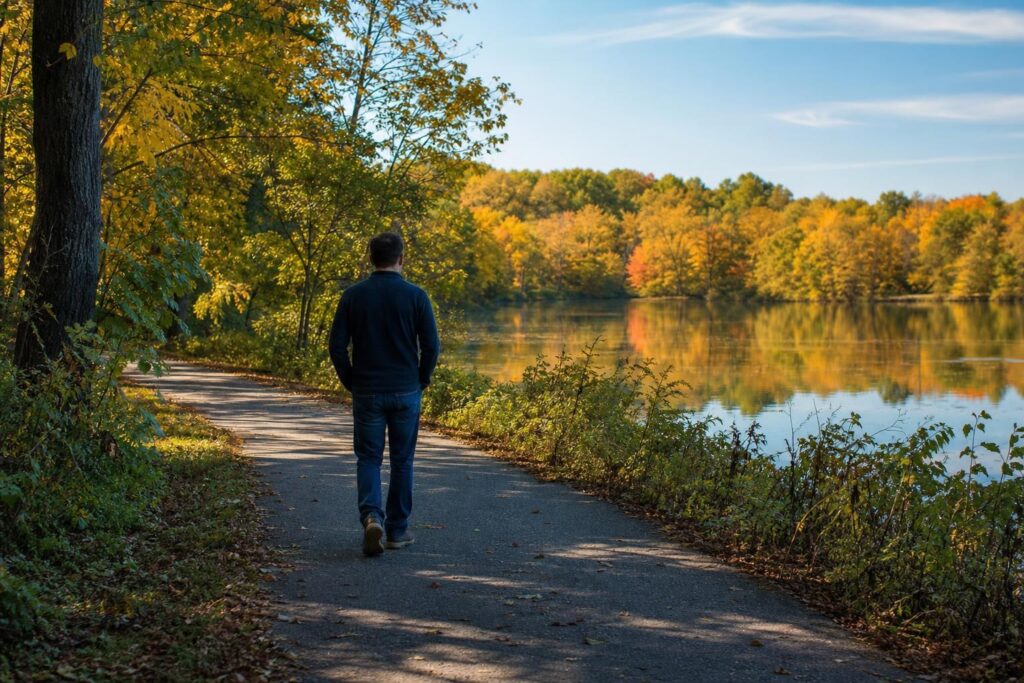
Why Time Outdoors May Support Mental Health
Outdoor activities combine several elements that may benefit mental well-being: a change of environment, movement, exposure to natural surroundings, and time away from work-related demands. Even a short break can interrupt the cycle of sitting, concentrating, and responding to messages for hours at a time.
Nature may also provide a less demanding setting for the mind. Instead of focusing on a spreadsheet, phone call, or difficult decision, a person may notice trees, water, changing weather, or the sounds around them. That shift in attention can feel restorative, particularly after a demanding workday.
The Mayo Clinic Press discussion of nature and mental health describes several ways time outside may help refresh the mind. The Centers for Disease Control and Prevention also provides information about mental health and the importance of taking steps that support emotional well-being. Individual needs differ, so persistent or serious symptoms deserve attention from a qualified health professional.
Potential Mental Health Benefits of Outdoor Activities
Stress relief and mental distance
Work stress can follow a person home, especially when the workday includes high responsibility, conflict, long hours, or constant availability. Going outside creates a physical boundary between work and personal time. A walk after work may become a transition ritual that helps signal that the professional portion of the day has ended.
The activity does not need to be strenuous. Sitting on a park bench, tending a garden, walking around the block, or taking a few minutes on a patio may provide a useful pause. The goal is not to perform perfectly or reach a particular fitness target. It is to create a regular opportunity to step away from work demands.
Improved mood and energy
Movement can affect how a person feels during the day. Walking, cycling, hiking, swimming, and other activities may help people feel more alert and engaged than they would after remaining seated for hours. Outdoor light and a change in surroundings may also make a break feel more substantial than time spent scrolling through a phone indoors.
These effects are not guaranteed, and an outdoor activity will not resolve every cause of low mood or fatigue. Still, adding manageable movement to a routine may support overall well-being. A person who is struggling to begin can start with a short, comfortable activity and increase it only if that feels appropriate.
Reduced isolation
Many outdoor activities can be done with other people. A brief walk with a coworker, a weekend bike ride with a friend, or a family visit to a local park can combine movement with social connection. That connection may be especially valuable for professionals whose work is remote, highly independent, or limited to virtual communication.
Group activities are not required. Some people find solitude outdoors more helpful than conversation. The important point is to choose an activity and setting that fit the person’s comfort level, schedule, and needs.
Better focus after a break
A short outdoor break may help a professional return to a task with renewed attention. Stepping away can create room to reconsider a problem rather than continuing to work through mental fatigue. A walk during lunch may not solve a difficult project, but it can provide a natural interruption before the next block of work.
Outdoor time should not become another productivity requirement. Its value may come from allowing the mind to rest, not from measuring how much work gets done afterward. Professionals can benefit from treating recovery and personal time as legitimate parts of a sustainable routine.
Outdoor Activities to Consider
Different activities offer different levels of effort, planning, and social interaction. Choosing something realistic is more important than choosing the most ambitious option.
- Walking: A walk around the neighborhood, through a local park, or during a lunch break can be simple to schedule. For more ideas, see our article on the benefits of walking.
- Hiking: A trail can provide physical activity and a change of scenery. Beginners may prefer a short, familiar route with suitable footwear and reasonable weather conditions.
- Cycling: Riding on a designated trail or quiet route can add movement without requiring a long trip. Helmets, visibility, and attention to traffic and trail conditions remain important.
- Gardening: Planting, watering, weeding, and maintaining a garden can offer gentle activity and a sense of connection with the outdoors.
- Outdoor exercise: Stretching, yoga, or bodyweight exercises in a safe outdoor space may help break up a sedentary workday.
- Camping and day trips: A longer break from ordinary routines may allow more time away from screens, though preparation and safety planning are especially important.
- Quiet time outside: Reading, listening to music, observing nature, or simply sitting outdoors may be worthwhile when strenuous activity is not appropriate.
Making Outdoor Time Fit a Busy Schedule
Busy professionals often do not need more advice about what they should do. They need a plan that can survive an unpredictable calendar. Small, repeatable steps are usually easier to maintain than a major lifestyle change.
Start with a specific, manageable commitment
Choose a time that already exists in the day, such as a lunch break, the period immediately after work, or part of a weekend morning. A ten-minute walk may be more realistic than promising a two-hour hike every Saturday. Our article on the potential benefits of a 10-minute walk discusses how a small daily habit can be easier to begin and repeat.
Putting the activity on a calendar can help protect it from competing demands. It may also help to prepare in advance by keeping walking shoes near the door, packing a change of clothes, or identifying a nearby route.
Choose convenience over perfection
The best outdoor activity is often the one that can happen consistently. A nearby sidewalk or park may be more useful than a scenic destination that requires extensive travel. If weather, health, mobility, or safety concerns limit options, outdoor time can be adjusted rather than abandoned. A shorter route, a sheltered location, or time outside close to home may work better.
Set reasonable boundaries around technology
Phones can be useful for navigation, safety, and emergencies, but constant notifications may prevent a real break. Consider silencing nonessential alerts or leaving work-related communication until the activity is finished, when doing so is practical. A short period of uninterrupted time can make the transition away from work more meaningful.
Invite support when it helps
Some people are more likely to follow through when a friend, family member, or coworker joins them. A walking meeting may be appropriate for certain conversations, while a regular weekend outing can provide both accountability and connection. Others may prefer independent time outdoors. There is no single correct approach.
Outdoor Activity and Personal Safety
Mental health benefits should not come at the expense of basic safety. Pay attention to weather, visibility, traffic, trail conditions, water hazards, and the physical demands of an activity. Wear appropriate shoes and protective equipment, carry water when needed, and let someone know where you will be going for longer or more remote outings.
Ohio weather can change quickly, and snow, ice, rain, heat, and uneven surfaces may create hazards. Select routes and activities that match your experience and physical condition. If pain, dizziness, shortness of breath, or another concerning symptom occurs, stop and seek appropriate medical guidance.
Outdoor activities can also result in injuries, including falls, collisions, or other accidents. If you or a family member is hurt because of another person’s conduct or a dangerous condition, the circumstances may raise a legal issue. Slagle & Kotnik provides information about Ohio personal injury matters, but an online article cannot determine whether a particular claim exists.
When Outdoor Time Is Not Enough
Going outside may be helpful, but it should not be presented as a cure for depression, anxiety, trauma, burnout, or another mental health condition. Consider speaking with a qualified mental health professional if stress, sadness, fear, sleep problems, loss of interest, or difficulty functioning persists or interferes with daily life.
If you are in immediate danger or thinking about harming yourself, seek emergency help or contact an appropriate crisis service. A trusted person, medical provider, or mental health professional may also help identify the right next step. Asking for help is not a failure to manage stress; it is a responsible response to a serious concern.
Building a Sustainable Routine
Outdoor activities can support mental health when they fit naturally into a person’s life. Start with an activity that feels accessible, schedule it at a realistic time, and adjust the plan when work, weather, health, or family responsibilities change. Consistency matters more than intensity, and rest is part of a healthy routine as well.
For professionals in Massillon, Canton, and nearby Ohio communities, a local walk, park visit, or trail outing may provide a practical way to create space between work and the rest of life. Time outdoors cannot remove every source of stress, but it can be one accessible step toward greater balance and well-being.
Talk With Slagle & Kotnik
If an outdoor activity or another accident has caused an injury, Slagle & Kotnik can discuss the situation and explain what information may be important. Contact the firm for a free consultation about an Ohio legal matter.