
When an accident causes an injury, people often have questions before they know what to ask: Who is responsible? Who will pay the medical bills? What should be said to an insurance company? Is a lawsuit necessary?
Personal injury law addresses those questions when a person suffers harm because of another person’s conduct, a dangerous condition, or another legally recognized cause. The subject covers more than car crashes. It may involve slip and falls, dog bites, nursing home neglect, workplace-related injuries, and other civil claims.
For residents of Massillon, Canton, Stark County, and nearby Ohio communities, understanding the basic process can make the next steps easier to evaluate. This article provides general information. The facts of each injury and the law that applies to it require individual review.
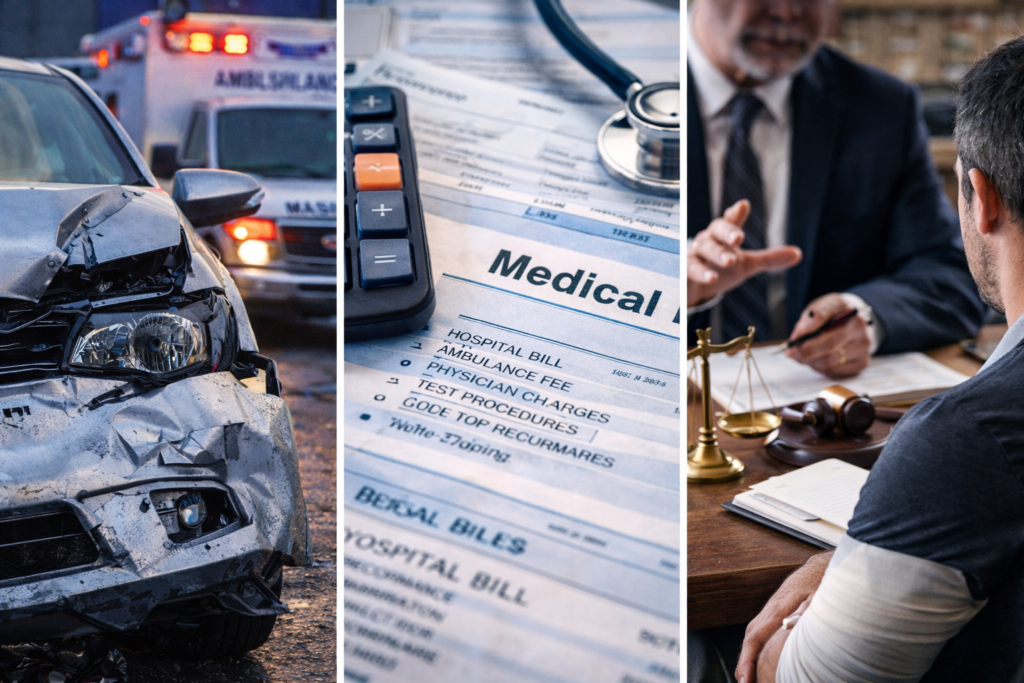
Personal injury law is a part of civil law. It provides a framework for seeking relief after an individual is injured, rather than addressing criminal punishment. A claim may arise from negligence, which generally means failing to use reasonable care under the circumstances. Some claims involve different legal rules, so the label “personal injury” does not by itself determine whether a claim is valid.
Common examples include:
- Car, truck, and motorcycle collisions
- Slip-and-fall injuries on property
- Dog bites and other animal-related injuries
- Injuries connected with unsafe property conditions
- Nursing home neglect or abuse concerns
- Some workplace injury and third-party claims
- Wrongful death claims brought after a fatal injury
The legal issue is not simply whether an injury occurred. The important questions may include what caused it, who had responsibility for preventing the harm, whether that responsibility was breached, and what losses followed.
What generally must be shown in a personal injury claim?
The elements depend on the type of case. In a typical negligence claim, the injured person may need to establish several connected facts:
- A duty of care: The other person or entity had a responsibility recognized by law under the circumstances.
- A breach: The person or entity failed to act as a reasonably careful person or organization would have acted, or otherwise violated an applicable legal duty.
- Causation: The breach was connected to the injury, rather than being unrelated to the harm claimed.
- Damages: The injury resulted in legally recognizable losses or harm.
These points are not decided solely by an injured person’s description of what happened. Medical records, photographs, witness information, accident reports, property records, employment documentation, and other evidence may help establish the circumstances. Preserving evidence early can matter when conditions change, surveillance footage is overwritten, or memories become less precise.
Ohio law can also affect how responsibility and damages are evaluated. The Ohio Revised Code is the state’s official source for statutes, but identifying the relevant rule often requires knowing the type of claim and the parties involved.
What types of losses may be part of a claim?
An injury claim is not limited to the first emergency-room bill. Depending on the facts and the evidence, losses may include:
- Emergency treatment, medical appointments, medication, rehabilitation, and other reasonable medical expenses
- Expected future medical care or treatment needs
- Income lost while recovering
- Reduced ability to work or earn income
- Physical pain and discomfort
- Emotional distress and the effects of the injury on daily activities
- Changes in relationships, independence, or quality of life
The available categories are not identical in every case. The seriousness of the injury, recovery outlook, medical history, work situation, and effect on everyday life may all matter. A claim should be evaluated using the full picture instead of focusing only on expenses that have already been received.
For more discussion of one category that may arise in an Ohio injury claim, see Pain and Suffering in Ohio Personal Injury Cases.
Why can a seemingly simple injury claim become complicated?
An accident may appear straightforward at the scene and become more difficult as the consequences develop. Some injuries are not fully understood immediately. Treatment may continue for weeks or months. A person may miss work, need help at home, or discover that ordinary activities are more difficult than before.
Responsibility can also be disputed. An insurer or opposing party may question how the accident happened, whether a condition caused the injury, whether treatment was necessary, or whether another event contributed to the symptoms. In a premises case, issues may include who controlled the property, whether the condition was known or should have been discovered, and whether the person’s own conduct is relevant.
Ohio’s rules may address issues such as comparative fault, available insurance, evidence, and filing deadlines. The answer can change based on the facts and the type of defendant. A general online explanation cannot determine how those rules apply to a particular injury.
What should you do after an injury?
Some practical steps can help protect your health and preserve information about what happened:
- Get appropriate medical attention. Follow medical instructions and tell the provider about symptoms, limitations, and changes in your condition.
- Report the incident when appropriate. Depending on the situation, that may mean contacting law enforcement, notifying a property owner or manager, or reporting an incident through the appropriate workplace process.
- Document what you can. Keep photographs, names and contact information for witnesses, reports, bills, appointment information, and communications related to the event.
- Be careful with statements. Give accurate information, but do not guess about fault, the extent of an injury, or how quickly you will recover.
- Keep claim-related records together. A file containing medical records, receipts, wage information, insurance letters, and notes about symptoms can make review more efficient.
- Ask questions before accepting a settlement. A release may affect the ability to pursue additional compensation, including for treatment or losses that are not yet known.
These steps are not a substitute for legal advice. A person who is seriously injured, facing disputed responsibility, or receiving insurance communications may benefit from discussing the situation with an attorney before making important decisions.
How can a personal injury attorney help?
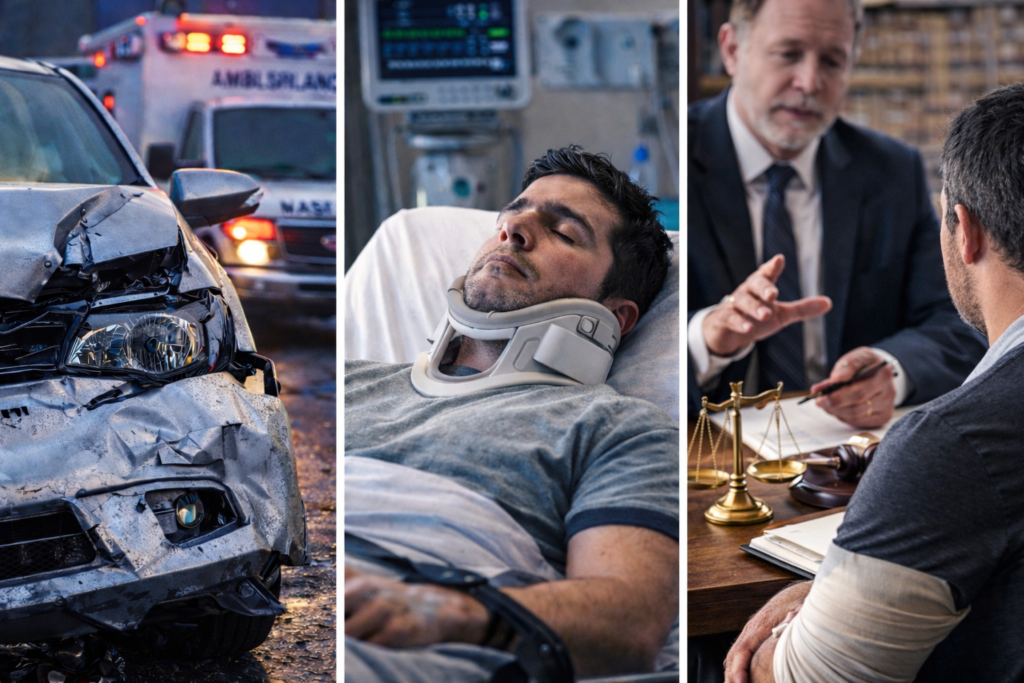
An attorney can review the facts, identify potential claims and defenses, and explain what information may be needed. Depending on the matter, that work may include:
- Investigating the accident and identifying responsible parties
- Gathering photographs, reports, medical information, employment records, and witness evidence
- Communicating with insurance companies and other parties
- Reviewing the effect of an injury on work, daily life, and future needs
- Evaluating settlement proposals and releases
- Negotiating when appropriate and preparing the matter for litigation if necessary
Hiring an attorney does not guarantee a settlement or a particular result. It can provide a structured way to assess the claim and make decisions based on the available evidence. The attorney-client relationship, fees, litigation strategy, and next steps should be discussed directly during a consultation.
When should you contact a lawyer?
There is no single point in every case when legal representation becomes necessary. Early communication may be especially useful when injuries are serious, liability is disputed, more than one party may be responsible, an insurer has requested a recorded statement, or a settlement has been offered.
Time limits are another reason not to wait until the last moment. Filing deadlines vary according to the claim, the defendant, and other circumstances. Missing a deadline can affect the ability to pursue a case, and the deadline is not always the same for every injury or every type of defendant. The Ohio Supreme Court provides official court information, but an attorney must assess which limitations rule may apply to the particular facts.
If the injury involved a vehicle crash, you can also review our guidance on what evidence helps a personal injury claim in Ohio. The relevant evidence will depend on the kind of incident and the questions in dispute.
Personal injury representation in Massillon and surrounding Ohio communities
People in Massillon, Canton, Stark County, and nearby communities may face medical care, insurance questions, missed work, and uncertainty after an injury. Slagle & Kotnik helps clients understand the civil claims process and evaluate available options based on the facts of their matter.
To learn more about the firm’s personal injury representation, contact Slagle & Kotnik for a free consultation. Call 330-832-9833 or contact the firm online. This article is general information and is not a substitute for advice about a specific situation.