
An unexpected injury can affect your health, work, finances, and family responsibilities all at once. If another person, business, property owner, or other party may be responsible, understanding your legal options can help you make informed decisions during a difficult time. A personal injury attorney can investigate what happened, explain the claims process, communicate with insurers, and help protect your interests.
Slagle & Kotnik represents injured people and families in Massillon, Canton, Stark County, and surrounding Ohio communities. We provide clear guidance about personal injury and civil litigation matters while recognizing that every case depends on its own facts, evidence, and applicable law.
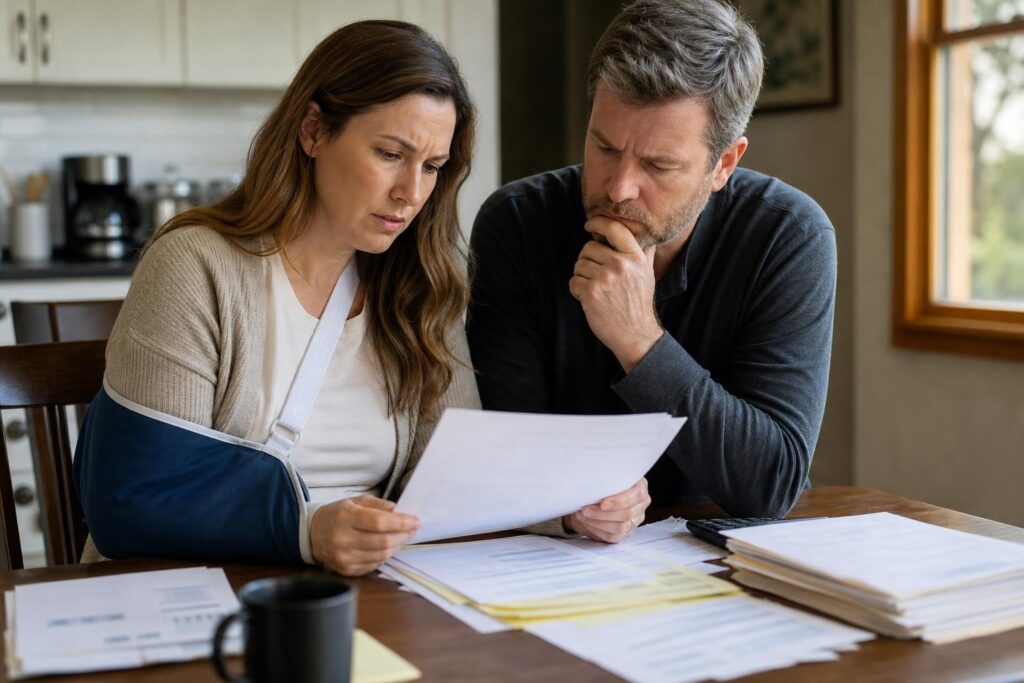
What personal injury representation involves
Personal injury law generally addresses physical or emotional harm caused by another party’s conduct or by unsafe conditions. Potential claims may involve a traffic collision, a fall on property, a dog bite, nursing-home neglect, a workplace incident, or another event that caused injury. Some cases involve disputed responsibility. Others involve disagreements about the seriousness of an injury, the value of losses, available insurance coverage, or whether a claim was brought on time.
Hiring an attorney does not remove the need for your participation. It gives you someone to help organize the legal and factual issues while you focus on medical care and recovery. Your attorney may review records, identify potentially responsible parties, preserve evidence, assess insurance communications, and discuss whether negotiation or litigation is appropriate.
Ohio law can differ depending on the type of claim and the circumstances involved. The Ohio Revised Code is the state’s official statutory resource, but reviewing a statute by itself may not answer how the law applies to a particular injury. A consultation can help identify questions that require closer attention.
Types of personal injury cases we handle
Car, truck, and motorcycle accidents
A crash can leave an injured person dealing with emergency treatment, follow-up appointments, vehicle damage, missed work, and uncertainty about insurance. A liability investigation may include police reports, photographs, witness information, vehicle damage, medical records, and available video or electronic evidence. Commercial truck and motorcycle cases may also involve additional factual and insurance issues.
Injuries are not always obvious immediately after a collision. Pain, stiffness, concussion symptoms, or other problems may become more noticeable later. Prompt medical attention and accurate communication with healthcare providers are important for your health and for documenting what happened. You can learn more about evidence that may help a personal injury claim in Ohio.
Slip-and-fall injuries
A fall at a store, apartment building, workplace, parking area, or other property may raise questions about the condition that caused it and whether the responsible party knew or should have known about the hazard. Important information can disappear quickly, including surveillance footage, inspection records, incident reports, and the condition of the scene.
Photographs of the area, clothing and shoes, witness information, medical records, and timely notice to the property owner may all become relevant. A fall does not automatically establish legal responsibility, so the details of the location and the circumstances need to be examined carefully.
Dog bites and other animal-related injuries
Dog-bite injuries can involve puncture wounds, scarring, infection, emotional distress, and damage to clothing or personal property. After an incident, seek appropriate medical care, report the event to the appropriate local authority when required, and obtain information about the dog and its owner if it is safe to do so. Avoid confronting the owner or making statements about fault before you understand the situation.
Ohio’s rules can depend on the facts of the incident, including what happened, where it occurred, and the relationship between the injured person and the animal. Slagle & Kotnik can discuss whether a dog-bite claim may be appropriate. Our dog-bite practice area provides additional information.
Nursing-home neglect
Families may have concerns about unexplained injuries, falls, pressure injuries, dehydration, medication problems, poor hygiene, malnutrition, or changes in a resident’s condition. These concerns deserve prompt attention. Preserve photographs, care-plan information, communications with the facility, medical records, and a timeline of what family members observed.
Some situations require immediate action to protect a resident’s safety, including contacting emergency services or the appropriate regulatory agency. Legal review may help a family understand what information to request and whether the facts support a civil claim. Read more about signs of nursing-home neglect in Ohio.
Workplace injuries and civil claims
An injury at work may involve workers’ compensation, an employer’s reporting procedures, or a potential claim involving a third party. These matters can be fact-specific. A worker should report the injury through the appropriate process, obtain medical attention, keep copies of records, and avoid assuming that one available remedy answers every legal question.
Wrongful death
When an injury causes a death, surviving family members may face grief as well as financial and legal concerns. Wrongful-death matters can involve questions about who may bring a claim, the losses that may be considered, and the procedures that apply. These cases require sensitivity, careful investigation, and attention to deadlines. A family member should seek legal guidance before signing a release or accepting a final settlement offer.
What an injury attorney can do for your case
Investigate the incident
The first step is to understand what happened. Depending on the case, that may include reviewing accident reports, photographs, medical records, employment information, property records, witness accounts, insurance documents, and available electronic evidence. The investigation may also identify additional parties or facts that are not apparent at the beginning.
Document injuries and losses
Medical expenses are only one part of the picture. A claim may also involve time away from work, reduced ability to perform ordinary activities, property damage, ongoing treatment, physical pain, emotional effects, or other losses supported by the evidence. Keeping a file with bills, appointment information, work records, correspondence, and a description of symptoms can make it easier to explain how the injury affected daily life.
Do not minimize symptoms to an insurer, employer, or healthcare provider. Do not exaggerate them either. Accurate, consistent information helps your medical team provide care and helps your attorney evaluate the claim.
Handle insurance communications
An insurance adjuster may ask for a recorded statement, medical authorization, photographs, or a settlement discussion. An adjuster’s role is to evaluate the claim for the insurer, not to serve as your legal representative. Before providing a recorded statement or signing a release, consider discussing the request with an attorney. A release may affect claims that are not yet fully understood, particularly when treatment is ongoing.
Negotiate or litigate when appropriate
Many injury claims are addressed through negotiations, but settlement is not the right choice in every situation. An attorney can help assess an offer in light of the available evidence, medical prognosis, insurance coverage, disputed issues, and potential litigation risks. If a fair resolution cannot be reached, litigation may be considered. Filing a lawsuit does not guarantee a result, and the decision to proceed should be based on the specific facts and legal analysis.
Steps to take after an injury
- Get necessary medical care. Call 911 or seek emergency treatment when appropriate. Follow medical instructions and attend recommended follow-up appointments.
- Report the incident. Notify the police, property owner, employer, facility, or other appropriate person depending on what happened. Request a copy of any report that is available.
- Preserve evidence. Take photographs when possible, save damaged clothing or equipment, identify witnesses, and keep relevant messages, letters, bills, and records.
- Be careful on social media. Posts, photographs, comments, and private messages may be misunderstood or used in a dispute. Avoid discussing fault or the details of your claim publicly.
- Do not sign away rights without understanding the document. Settlement agreements, releases, medical authorizations, and other forms can have significant consequences.
- Ask about timing. Ohio deadlines vary by claim type and circumstances. Waiting can make evidence harder to locate and may affect legal rights, so seek advice promptly.
Why local legal guidance matters
A personal injury case is more than a demand for payment. It requires a careful review of responsibility, evidence, medical issues, insurance, damages, and procedure. A local firm understands the communities it serves and can provide direct communication throughout the process. At Slagle & Kotnik, we aim to explain the issues in plain English, answer questions honestly, and develop an approach based on the facts rather than assumptions.
There is no single value assigned to every injury, and no attorney can promise a particular outcome. The strength and potential value of a claim depend on factors such as liability, the nature and duration of the injuries, documented losses, available coverage, comparative responsibility, and the evidence supporting each position.
Talk with Slagle & Kotnik
If you or a family member has been injured in Massillon, Canton, Stark County, or a surrounding Ohio community, contact Slagle & Kotnik for a free consultation. We can listen to what happened, explain the questions that may matter, and discuss options that may be available. General information cannot replace advice about your specific circumstances, and it is important to address potential deadlines promptly.
Call 330-832-9833 or contact the firm online to speak with Slagle & Kotnik about your personal injury matter.